
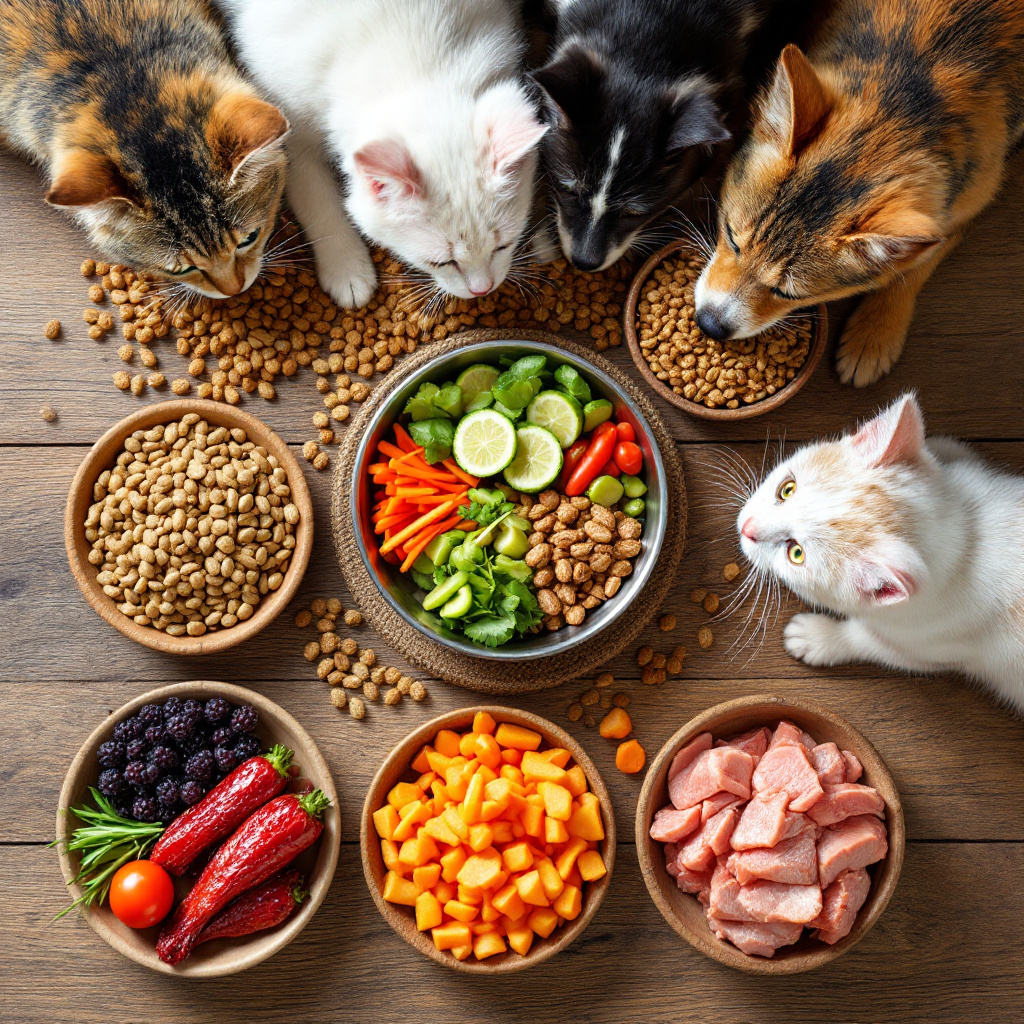
Nutrition for pets: The be-all and end-all for a healthy pet life
Have you ever wondered what really belongs in your furry friend's diet? The right diet for pets is crucial for their health and well-being. In this article, we'll take you on a culinary journey through the world of pet nutrition. Get ready to pick up some surprising facts and practical tips!
The basics: Why the right diet is so important
Before we get into the details, let's take a quick look at why a balanced diet is so essential. Whether it's a dog, cat or hamster - every pet has specific nutritional needs. A healthy diet helps prevent illness, improves quality of life and prolongs the life of your faithful companions.
Variety in the food bowl: the different types of food
Choosing the right food depends on many factors, including the species, age, activity and specific health requirements. Here is an overview of the main types of food:
- Dry food: Practical and long-lasting. Look out for high-quality ingredients and a high meat content.
- Wet food: It contains more moisture, which is particularly important for animals that drink little.
- Raw feeding (BARF): A diet orientated towards natural prey. Caution: Pay attention to hygiene and a balanced supply of nutrients!
- Cooked meals: Home-prepared meals can be healthier, but you should pay attention to the nutritional composition.
Do you know what's in it? Important nutrients for pets
The main elements of a healthy animal diet are proteins, fats, carbohydrates, vitamins and minerals. However, every animal has individual needs.
- Proteins: Essential for growth and muscle development. Carnivores in particular need a protein-rich diet.
- Fats: They provide energy and are important for skin and coat. But beware: too much fat leads to obesity!
- Carbohydrates: They are an important source of energy, especially for dogs. Cats need fewer carbohydrates.
- Vitamins and minerals: Nothing works without these micronutrients. They control vital functions in the body.
Can it be a little less? Common nutritional errors in pets
Ah, the way to the heart is through the stomach, right? But sometimes excessive love means overfeeding. Here are some typical mistakes:
- Too many treats: They are often high in calories and should be used in moderation.
- False human food: Not everything that tastes good to us is also suitable for animals. Chocolate, onions and grapes are absolutely taboo!
- Irregular feeding times: They can lead to digestive problems and increase the feeling of hunger.
Special needs: Pugs, pussies and co.
The nutritional requirements of pets can vary greatly depending on their breed, size and state of health. Want a few examples?
Dogs: Large breeds such as the German Shepherd Dog need more calories, while small breeds such as the Chihuahua need less energy-rich food.
Cats: They are obligate carnivores and require a diet rich in animal proteins. Vegetable proteins are not sufficient.
Exotics: Animals such as rabbits and guinea pigs are herbivores and need a fibre-rich diet.
What to do if you have nutritional problems?
It can happen that your furry friend has feeding difficulties. Watch out for the following warning signs:
- Behaviour: Listlessness or excessive activity may indicate malnutrition.
- Coat condition: A dull or flaky coat can be caused by poor nutrition.
- Weight: Weight gain or loss is often a sign of an unbalanced diet.
If nutritional problems are suspected, it is advisable to consult a vet. Professional advice will help to create a suitable diet plan.
In conclusion: nutrition for pets as part of love
Feeding pets is more than just filling their bowls. It is an expression of our care and responsibility. With the right knowledge and a few adjustments, you can ensure that your pet lives a long, happy and healthy life. So, what are you waiting for? Take a look at your pet's bowl and see if there's room for improvement. Your furry friend will thank you!
By the way, don't forget that a balanced diet goes hand in hand with sensible toys. Exercise is just as important for your pet's well-being. A well-rounded approach for fit, happy companions, isn't it?
FAQs on nutrition for pets
What is the healthiest diet for dogs?
The ideal diet for dogs includes a mixture of meat and vegetables. Muscle meat, heart, liver, rumen and chicken are suitable. Suitable vegetables include carrots, broccoli and cucumber. Fruit such as apples and bananas are also recommended to ensure a balanced vitamin intake.
What do the pets eat?
Dogs and cats are carnivores by nature. Their food should therefore consist primarily of meat. However, both also benefit from a small amount of plant-based ingredients in their food to round off their diet and aid digestion.
What is the best diet for cats?
Cats are obligate carnivores and need a diet rich in taurine. The best source of taurine is raw meat, especially muscle meat and offal such as liver. Chicken heart can be fed raw several times a week. As a supplement, green-lipped mussel powder provides a natural source of taurine.
Can my dog be fed a vegetarian diet?
Yes, it is possible to feed a dog a vegetarian diet, but this requires careful planning to ensure all the necessary nutrients are provided. Special supplements that enrich the food with proteins and vitamins are essential.
How often should I feed my pet?
The frequency of feeding depends on the age and breed of your pet. In general, two meals a day are sufficient for adult dogs and cats. For puppies and young kittens, several smaller meals may be necessary to meet their rapidly growing energy requirements.