
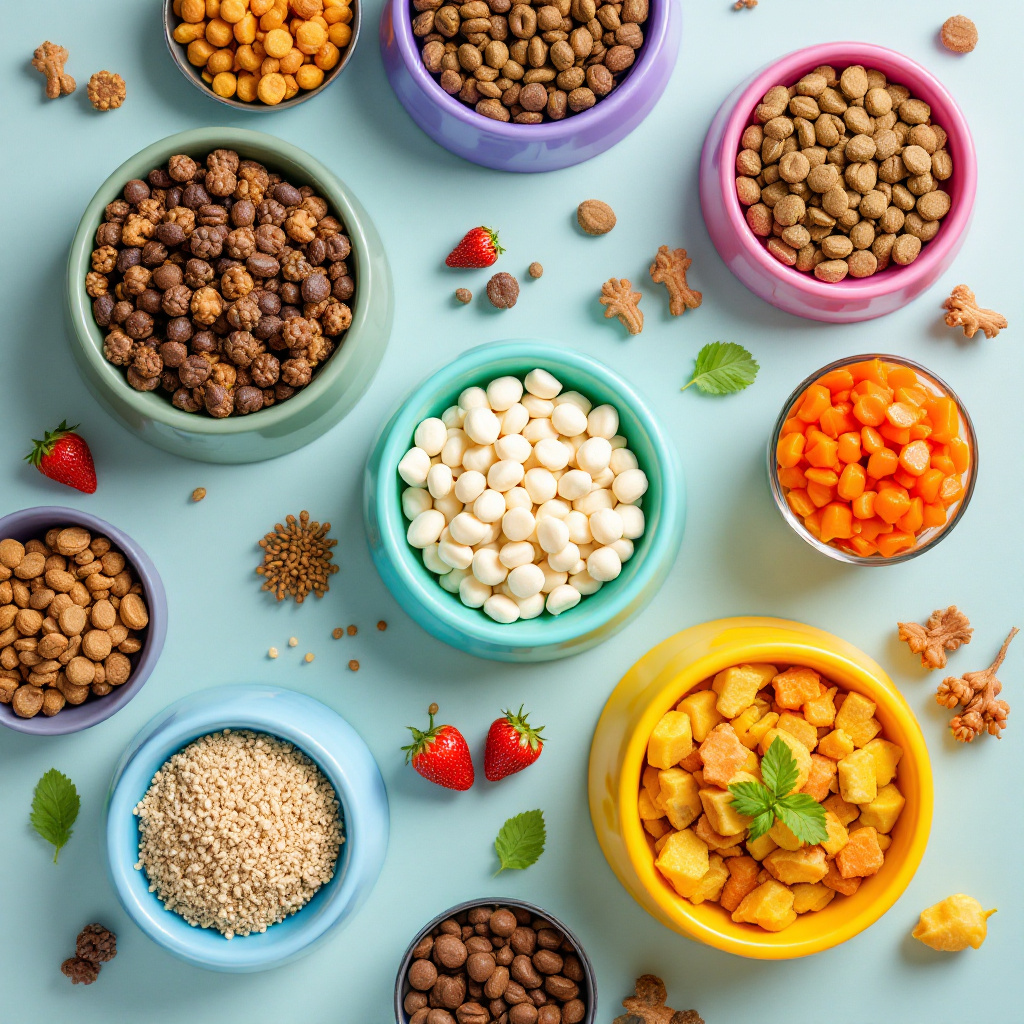
Nutrition for pets: What's really important
We all love our pets, don't we? Whether it's a dog, a cat or even a little guinea pig, they are part of our family. And just like us, they deserve only the best when it comes to their diet. But what exactly do our fluffy friends need to stay healthy and happy? Let's dive into the world of Nutrition for pets and let's discover what they really need!
The basics of pet nutrition
Whether dog, cat or rabbit, every animal has its own needs when it comes to food. But one thing remains the same for all of them: a balanced diet is the key to a long and healthy life. Oh, and let's not forget the occasional treat - after all, everyone deserves a little reward sometimes!
- Proteins: The building block for muscles and tissue. Dogs and cats in particular need a protein-rich diet.
- Carbohydrates: The main source of energy for all active furry friends. But be careful - don't overdo it!
- Fats: Important sources of energy and necessary for the absorption of fat-soluble vitamins.
- Vitamins and minerals: Essential for all vital functions and a strong immune system.
- Water: The most forgotten component, but absolutely essential for all living beings.
Nutrition for dogs: Man's best friend
Dogs are like people - big and small, temperamental or rather cosy. And just like their characters, their nutritional needs vary. A balanced dog diet is crucial for their health.
Puppies vs. adult dogs
Puppies grow incredibly fast - in a flash, you could say. They therefore need more energy and nutrients than adult dogs. A special puppy food that is rich in protein and calcium optimally supports their growth.
- Puppy food: Specially formulated for fast growth, lots of energy and strong bones.
- Adult food: A balanced diet with a good mix of all nutrients.
- Senior food: Adapted diet, lower energy requirement, supplemented by joint support.
Oh yes, and what about the currently popular feeding trends such as BARF (Biologically Appropriate Raw Food)? Many dog owners swear by the natural benefits of this raw diet, as long as the nutritional balance is kept in mind.
Cats and their special needs
Cats are true gourmets among pets. Unlike dogs, they are strict carnivores - carnivorous animals through and through. Without the right food, velvet paws quickly get into trouble, because a balanced diet is the be-all and end-all here.
The importance of taurine
Taurine, an essential amino acid, is vital for cats. A deficiency can lead to serious health problems. So, make sure your cat gets enough of it!
Did you know that cats are often considered picky eaters? Strange, but the fact is, they smell their food and then decide whether they like it. What gourmets!
Nutrition for small animals: From hamsters to guinea pigs
Small animals also have special needs. A Guinea pig for example, needs a lot of vitamin C as it cannot synthesise it itself. A happy mixture of hay, vegetables and some special pellet food should do the trick!
Vitamins and variety
- Hamster: A mixture of grains, seeds, fruit and animal proteins is ideal.
- Rabbit: Mainly hay, supplemented with some fresh greens.
- Guinea pigs: As I said, lots of vitamin C - so put peppers and cabbage in the bowls!
Remember to always provide fresh water and remove leftover food regularly to keep everything hygienic.
Biological and organic: the trend of the times
These days, many pet owners are looking for organic food options. Sure, we all want the best for our little fur noses, right? Organic food promises fewer pesticides and chemicals - a real plus!
But beware! Not everything that is advertised as organic is actually better. Read the labels carefully, look for certified seals and be critical. And hey, sometimes the good old food test with your fur friends' noses is the best indicator.
Conclusion: How to find the right food
It's easy to get lost in the sea of options, there's no question about it. But don't worry, with a little knowledge and a watchful eye, you can find the perfect Nutrition for pets. After all, it's all about a well-balanced mix of nutrients that covers your pet's individual needs.
Ask your vet for advice and don't hesitate to try something new - at the end of the day, we know that appetite comes with food. Your faithful furry companions will thank you, and you will have the pleasure of observing their vitality and zest for life.
FAQs on pet nutrition
What is the healthiest diet for dogs?
A healthy diet for dogs should include a good mix of meat and plant-based ingredients. Here are some of the best options:
- Meat: Muscle meat, stomach, heart, liver, spleen, rumen, kidney, bone, chicken, fish.
- Vegetables: Carrot, lettuce, broccoli, boiled potato, parsnip, cucumber, courgette.
- Fruit: Apple, banana, pear, apricot, berries, rosehip, melon, cherry, kiwi, peach, plum.
What is the best diet for cats?
Cats need a protein-rich diet that also contains important amino acids such as taurine. The ideal source of taurine:
- Raw, bloody meat such as muscle meat and offal (liver, brain).
- Hearts, especially chicken, which should be fed raw several times a week.
- Green-lipped mussel powder as a natural source of taurine.
What do the pets eat?
Dogs and cats are natural carnivores. This means that their food should consist mainly of meat. However, in order to ensure optimal nutrition, small amounts of plants are also useful to ensure a comprehensive nutrient profile.
Can pets be fed exclusively with dry food?
Dry food can be a convenient feeding option, but should not be the sole source of nutrition, especially for cats. It is important to also integrate wet food or fresh food sources into the pet's diet to ensure hydration and remain nutritionally balanced.
Should pets eat human food?
Whilst occasional treats such as plain chicken or unsalted rice are not a problem, pets should not be fed human food on a regular basis. Many human foods can be harmful to animals, so it's important to be cautious and consult your vet if in doubt.