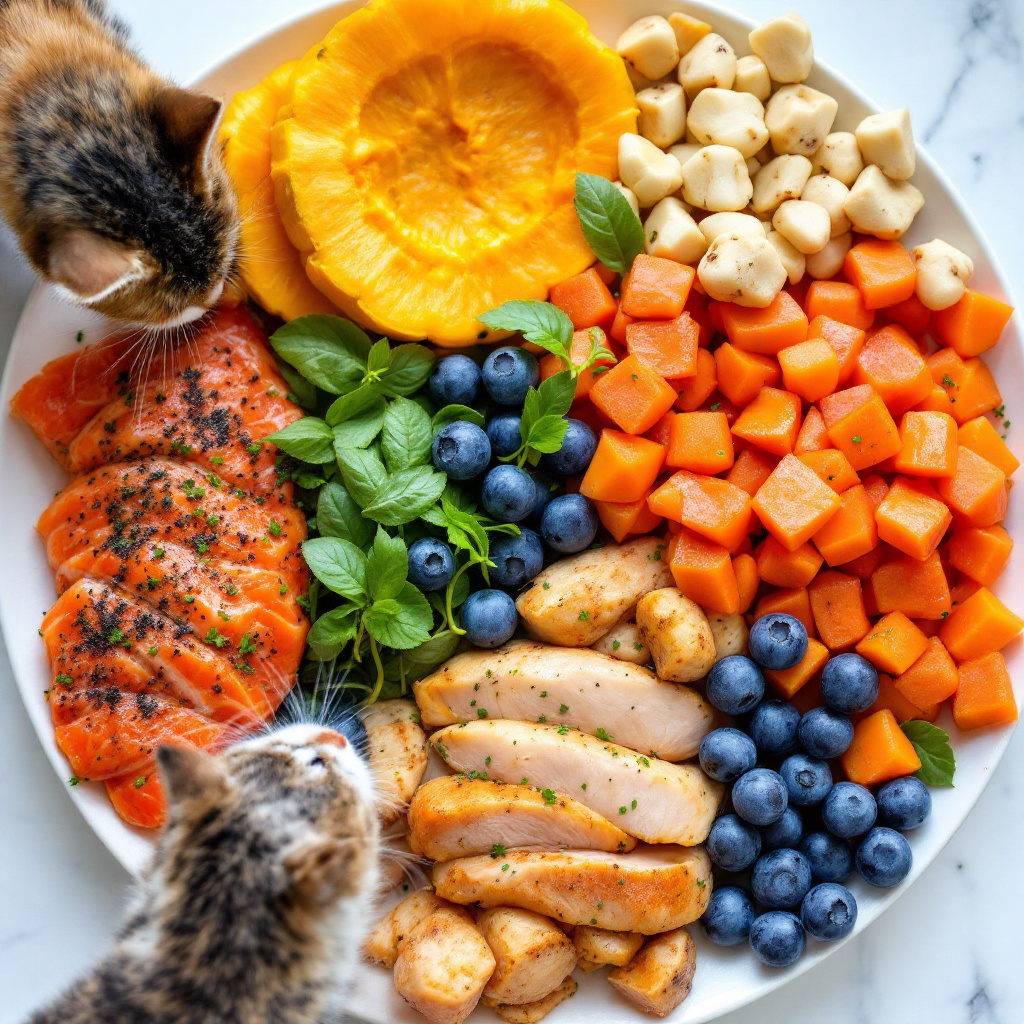
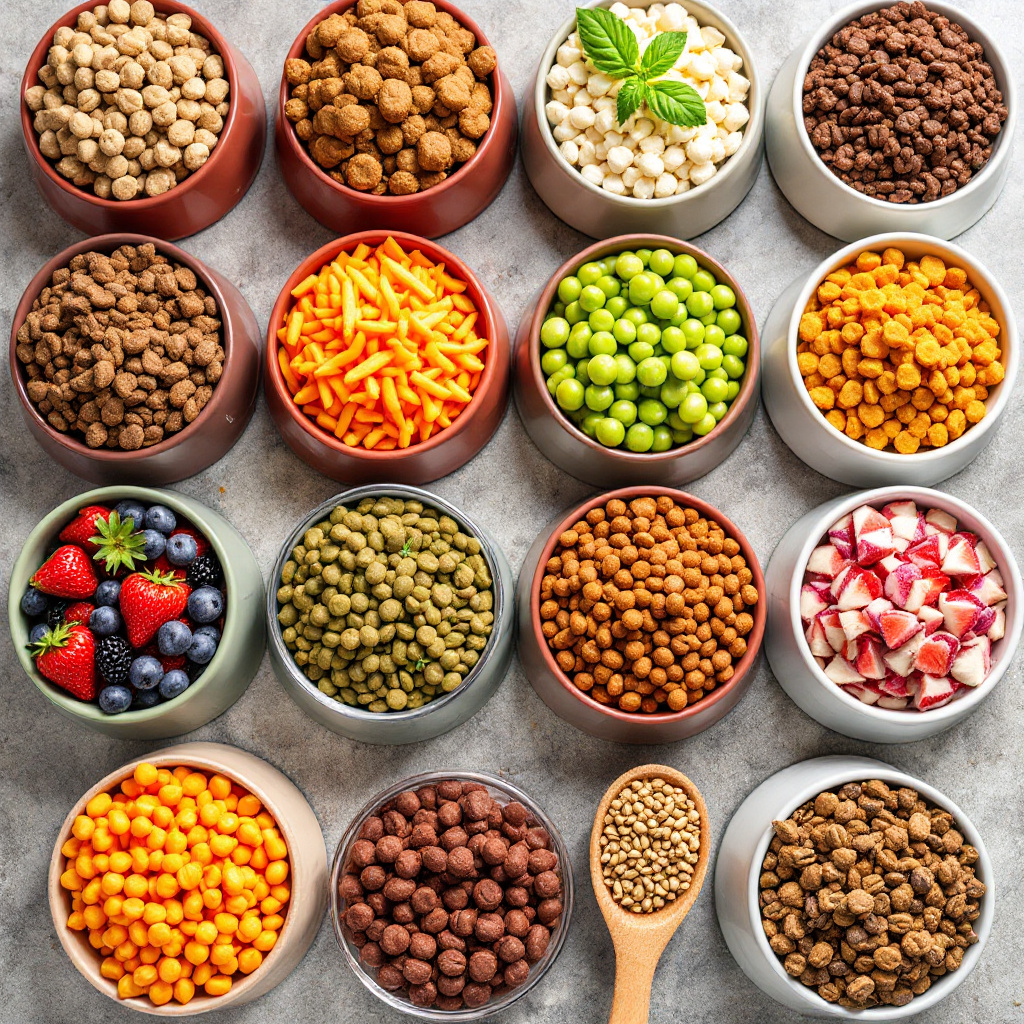
Nutrition for pets: What really makes sense
The nutrition of our pets is a topic that is often underestimated, yet it is fundamental to a long and healthy life. Whether you have a fluffy dog or a purring cat at home, the right food is key to their well-being. Let's take a closer look at the basic needs of your animal friends and understand what the ideal Nutrition for pets makes the difference.
The importance of proper nutrition for pets
A healthy pet starts with a balanced diet. It not only provides energy and supports the immune system, but also promotes mental and physical development. But what should you look out for? Well, not every pet has the same requirements, and sometimes it's not so easy to put together the right food plan.
Which nutrients are essential?
Whether dog, cat, bird or lizard, every animal species has specific nutritional requirements. Here are some of the most important nutrients that no animal diet should be without:
- Proteins: Essential building blocks for muscles, skin and hair.
- Fats: Important source of energy and necessary for the absorption of fat-soluble vitamins.
- Carbohydrates: They provide energy, especially for active pets.
- Vitamins and minerals: Essential for the immune system and metabolism.
- Water: Often forgotten, but vital. Always provide fresh water!
Dogs: omnivores with special requirements
Dogs are known for their penchant for devouring all sorts of things. From bits of steak to inexplicable crumbs on the kitchen floor - but be careful! You should make sure they get a balanced diet.
Some dogs have specific needs based on their age, breed or health. Puppies, for example, need a higher protein diet to grow healthily, while high-fibre meals may be more appropriate for seniors.
Here are some tips for feeding your dog the right food:
- Choose high-quality dog food that contains all the essential nutrients.
- Incorporate raw or cooked meat occasionally for a varied diet.
- Avoid food with artificial additives or sugar.
- Consult with a vet, especially if your dog has special health needs.
Cats: Real carnivores
Cats are small carnivores at heart, even if they doze on the windowsill all day. They need meat as the main component of their diet as they cannot produce taurine, an essential amino acid that is mainly found in animal tissue, themselves.
A few basic principles when feeding cats:
- Pay attention to high-quality protein sources in their food.
- Fats are just as important for them as they are a valuable source of energy.
- Sufficient amounts of taurine are essential.
- Make sure that wet food is added as a supplement to increase water intake.
And remember: cats are true gourmets - if they feel nauseous or restless when eating, you should pay attention to the product or consult your vet.
Age and state of health: no uniformity
As much as we wish there was a one-size-fits-all diet that was suitable for every furry friend, every pet is an individual. The older they get or if they have health problems, we may have to adapt their diet.
For example, if your four-legged friend suffers from allergies or the vet has told them to go on a diet, there are special foods on the market. This not only prevents allergic reactions, but can also help to curb degenerative diseases.
Conclusion: Conscious nutrition is a must
The right diet for pets is not just a luxury, but a necessary investment in their health and well-being. Don't look away and follow your gut instinct - it may sound simple, but be careful. The best food is the one that not only pleases the palate but is also good for their health.
When looking for the right food, it's worth investing a little more time. This will ensure that your little friend gets the energy, vital nutrients and little pleasures that are the basis of a happy pet life.
There is often a kernel of truth in the philosophy: you are what you eat. - This also applies to your animal companions in many respects. So, head to your next food selection with a smile on your face and the knowledge that you are doing the best for your furry friend.
FAQs on nutrition for pets
What should you bear in mind when feeding an older pet?
Older pets often have lower energy requirements and can therefore tend to be overweight. They need fewer calories, but high-quality protein to support muscle mass. In addition, vitamins and antioxidants should not be neglected as they strengthen the immune system. Specialised senior pet foods are ideal as they are tailored to the needs of older animals.
How can you prevent allergies in pets through diet?
To prevent allergies, you should choose a hypoallergenic food that avoids common irritating ingredients such as wheat or certain protein sources. It is advisable to introduce new types of food slowly and watch out for adverse reactions. If you are unsure, a vet may recommend a food allergy test to identify exact triggers.
Can dogs also be fed a vegetarian diet?
Yes, dogs can theoretically be fed a vegetarian diet, but this requires careful planning. Dogs are omnivores, so a plant-based diet must be supplemented with special supplements such as vitamin B12 and taurine to avoid deficiencies. An expert should supervise such a nutritional programme.
Is wet or dry food better for pets?
This depends on the individual pet. Wet food has a higher moisture content, which helps cats in particular to absorb enough liquid. Dry food, on the other hand, is often cheaper and more practical to store. A mixture can be beneficial in order to combine the advantages of both variants. Here too, the quality of the food should take centre stage.
Which fruit and vegetables are safe for pets?
Many pets love the flavour of fruit and vegetables as an occasional snack. For dogs, carrots, unsalted cucumbers and apples are safe options. Cats can occasionally have a few berries or some cooked pumpkin. It is important to avoid poisonous foods such as grapes, onions and garlic. Always offer small amounts to prevent stomach upset.