
Your cat's emotions and moods: a look behind the whiskers
Who would have thought that our purring companions are so rich in emotions and moods? Cats are not only affectionate cuddling partners, but also complex souls that tell whole stories through their body language. In this article, we'll explore the fascinating world of your cat's emotions and moods and give you tips on how to interpret them to create a supportive environment for your furry friend. Let's delve into the deep recesses of your cat's heart.
Why the correct interpretation of emotions is important
Although cats do not communicate with words, they have expressive body language that reveals a lot about their feelings. The ability to interpret these signs is crucial to your cat's well-being. They can show you when they are happy, stressed or even ill. As cat owners, our goal is to ensure that our four-legged friends feel safe, loved and understood.

Decode your cat's main emotions
Cats, like us, have a range of emotions. Here are some of the most common ones and how you can recognise them:
- Joy and satisfaction: A cat that feels safe and content is likely to purr. Purring is often, but not always, a sign of well-being. Also look for soft, half-closed eyes, relaxed ears and a slow, gentle tail swing.
- Stress and anxiety: If the ears are pulled back or laid completely flat, this could be a sign of anxiety or stress. A tense posture, wide-open eyes and frantic tail swishing also indicate restlessness.
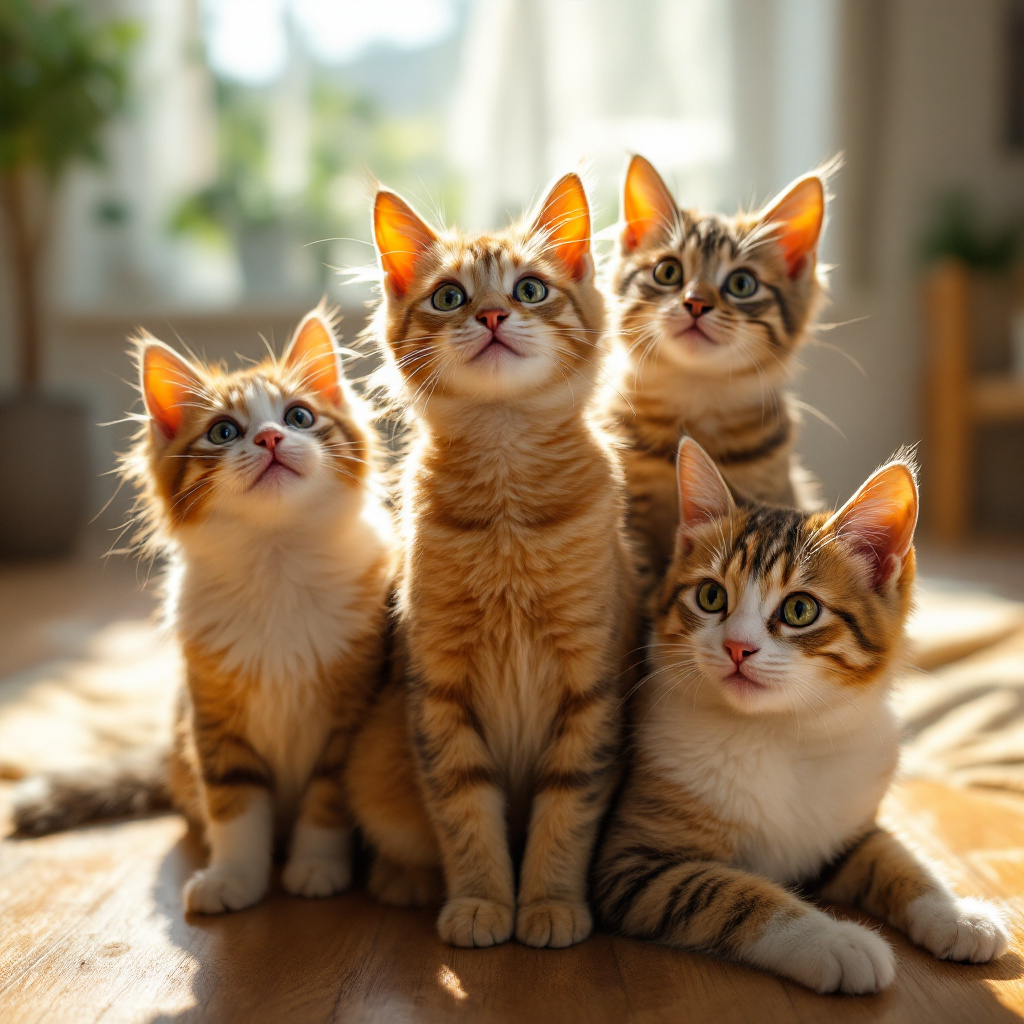
- Curiosity and interest: Ears pointing forwards and an upright, tense posture indicate that your cat is exploring its surroundings or has become aware of something interesting.
- Aggression and defensiveness: Hissing noises, ruffled fur and an arched back are clear indications that a cat feels threatened and is ready to defend itself.
Understanding mood changes
Cats' moods can change quickly, just like clouds in the sky. Sometimes all it takes is an unfamiliar smell or sound to completely change a cat's mood. It is important to realise that these changes are often completely natural. Here are some examples of why and when these mood changes can occur:
- Environmental changes: A move, new furniture or strange visitors can cause stress.
- Health: Discomfort or pain changes the mood. A vet should be consulted if changes persist.
- Interaction with other animals: New or unwelcome animal visitors in the household can cause uncertainty.
Tips to promote your cat's well-being
So how can we use these findings to improve the lives of our cats? Here are some tips that can help:
- Observe carefully: Take time to study your cat's reactions in different situations. This will give you valuable insights into their emotional world.
- Respect their space: Never force a cat to be close to you. Let them seek contact at their own pace and respect their retreats.
- Create routines: Cats love routines and feel most comfortable in a predictable environment.
- Enrich their everyday life: Interactive games and new toys can reduce boredom and provide ground-breaking building blocks for cat behaviour.
Creating a harmonious relationship
Understanding a cat is more art than science. But with a little attention and patience, you can learn to interpret your cat's emotions and moods correctly. A loving environment that takes their needs into account not only makes for a happy cat, but also for a happy cat owner.
So, grab your cat's favourite treats, sit next to her and let the language of her movements become your new favourite reading. You'll be amazed at how much you can learn from your little friend!
Frequently asked questions
How can I best recognise my cat's emotions?
The key is to observe their body language. Pay attention to signals such as purring, ear position and tail movements. Combine these observations with the context of their environment. The more time you spend with your cat, the better you will understand their individual expressions.
Why does my cat's mood change for seemingly no reason?
Cats often react sensitively to changes in their environment. A new smell, noise or a change in daily routine can trigger sudden changes in mood. It is important to remain patient and provide a stable environment so that she can feel safe.
Can cat illnesses affect my cat's mood?
Absolutely. Health issues can have a significant impact on behaviour and mood. If you notice that your cat seems restless or unhappy for an extended period of time, this could be an indication of pain or health concerns. A visit to the vet would be advisable.
What can I do to reduce my cat's stress levels?
Create a predictable environment with set feeding and play times. Make sure she has enough opportunities to retreat and let her come to you at her own discretion. Interactive games and quiet, undisturbed rest areas promote well-being and minimise stress.
How do I deal with an aggressive cat?
If your cat displays aggressive behaviour, it is important to first identify the cause. Try to remain calm and avoid further stressing or provoking the cat. If the problem persists, consult a vet or behavioural expert for professional help.