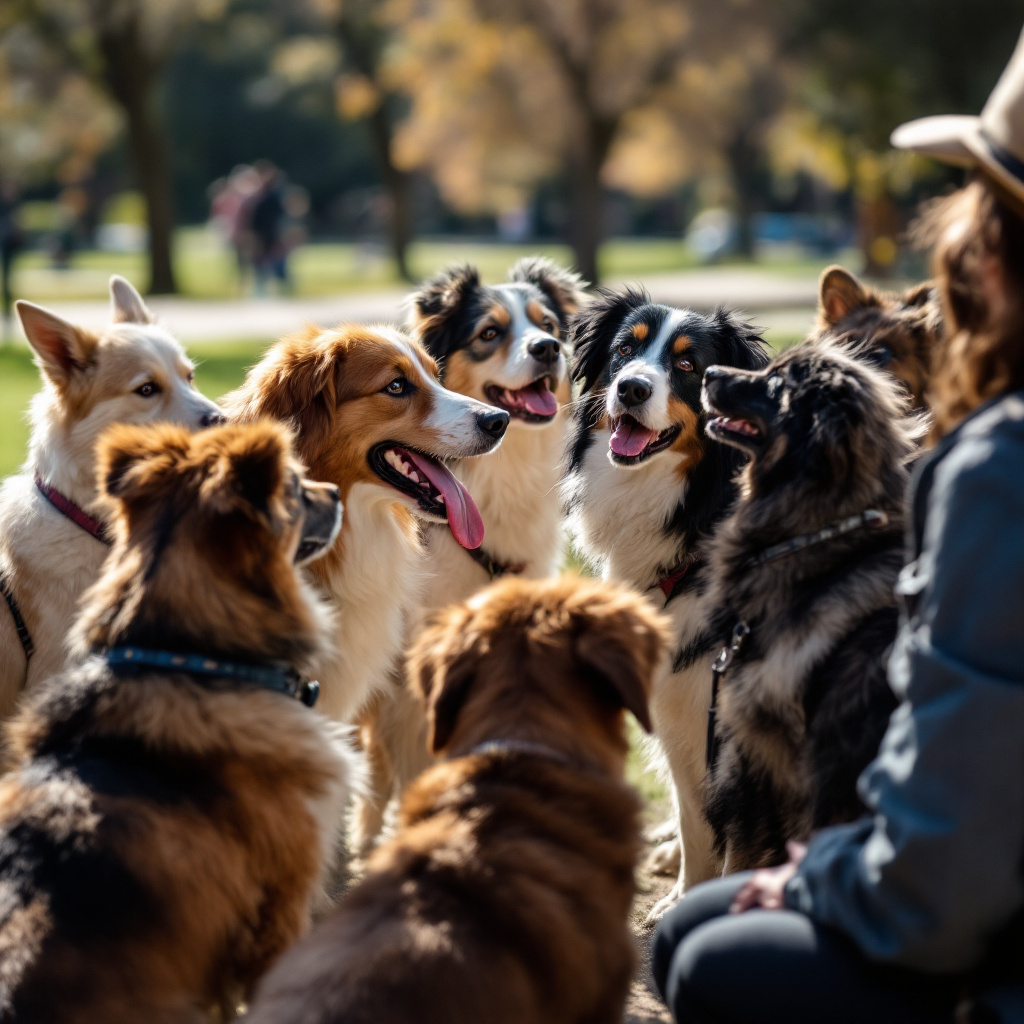
Dogs are known to be man's best friend. They are loyal companions and, if well trained, can work wonders. But as with any good friendship, they need clear communication and rules. This is where dog commands come into play, providing the tools for a harmonious relationship between humans and animals. In this article, we take a look at the introduction to dog commands and why they are so important for everyday life with our four-legged friend.
Dog commands are fixed commands or signals that help dogs to show desired behaviour. They are not only used for discipline, but also for your dog's safety and well-being. A well-trained dog understands the world around it better and can therefore navigate through everyday life with less stress and more confidence.
So why bother? Here are some reasons why dog commands are essential:
- Security: A trained dog is easier to retrieve from dangerous situations.
- Understanding: Commands facilitate communication and thus strengthen the bond between the two of you.
- Socialisation: Socially compatible dogs are more pleasant in company and when interacting with other animals.
- Spiritual challenge: Training promotes your dog's mental health and keeps him sharp.
When you start dog training, there are a handful of basic commands that every dog should master. These serve as a basis for further training and ensure harmonious interaction.
- Seat: An indispensable command for calming and controlling your dog, for example when waiting or before crossing the road.
- Place: Similar to „sit”, „down” also offers the opportunity to calm the dog down and ensure that it stays in one place.
- Comm: The recall command is essential for your dog's safety, no matter where he is.
- Stay: A difficult but important command that requires patience and discipline. It helps to keep the dog in place.
- From: Ideal for releasing objects or unwanted items.
- On foot: A helpful walking instruction to make sure your dog stays by your side.
While commands are crucial, body language also plays a role in training. Dogs may not speak with words, but they speak all the more clearly with their bodies. A dog that wags its tail is not always happy - context is everything here!
Observe the following signals from your dog:
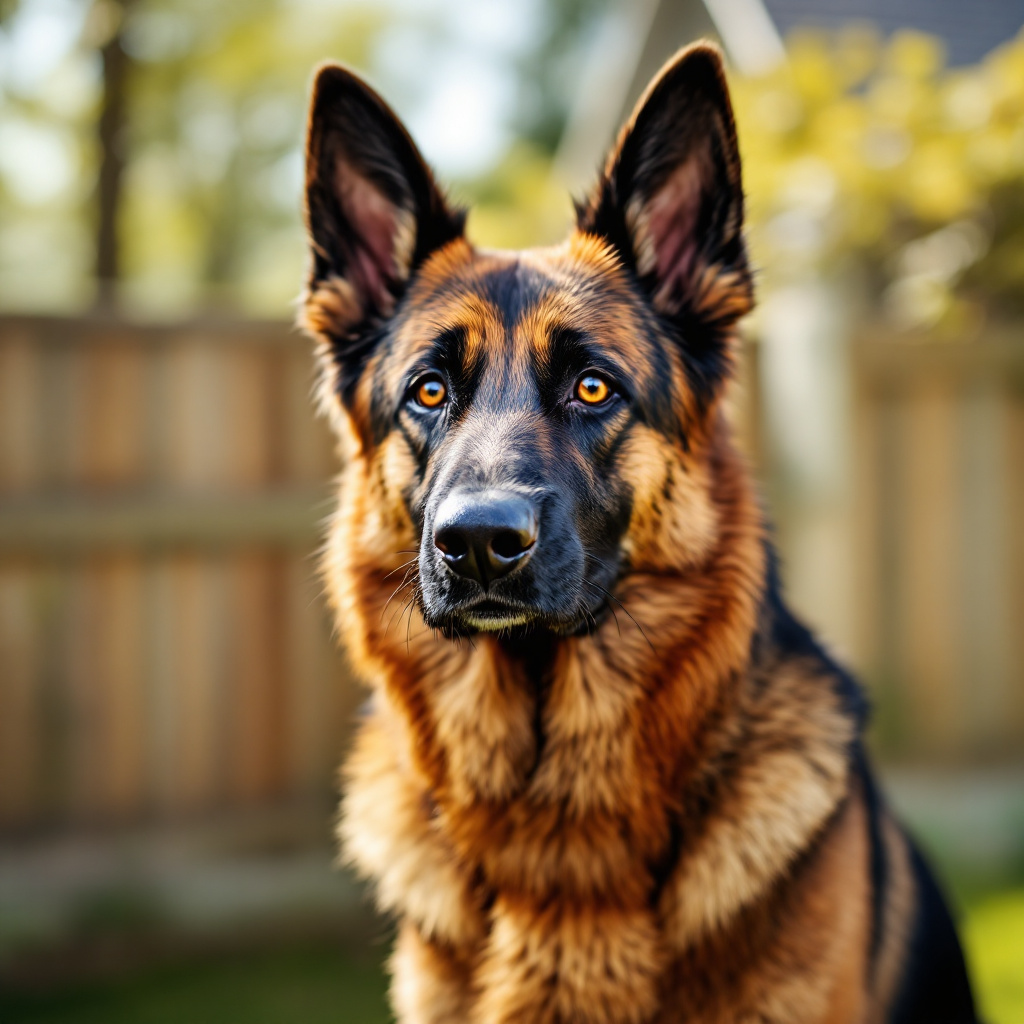
- Ears: Upright ears show interest or attention, whereas ears that are folded back often indicate uncertainty or fear.
- Tail: A raised, stiff cock can express dominance, while a cock clamped between the legs signals fear.
- Eyes: A direct stare can be dominance, while a soft wink or blink signals relaxation.
- Body tension: A tense body shows nervousness or excitement, whereas a relaxed body shows calm and contentment.
The path to successful introduction to dog commands starts with patience, consistency and positive reinforcement. Here are some tips to help you get started:
- Choose the right place: Start in a quiet place without distractions. This creates the necessary concentration for effective learning.
- Show adaptability: Every dog learns at its own pace. Be careful not to expect progress too quickly.
- Positive reinforcement: Reward desired behaviour with treats, praise or cuddles. Negative reinforcement can damage the relationship.
- Short and precise: Clear, short commands are crucial. „Sit” instead of „Could you please sit down?”
- Regular exercise: Practice makes perfect. Keep the training sessions short and varied to avoid boredom.
Not everything always goes according to plan. Occasionally you come up against obstacles during training, but with a little patience you can overcome them.
- Problem: Your dog ignores commands.
- Solution: Check whether you have too many distractions and take a step back to a simpler exercise.
- Problem: Your dog seems overwhelmed or loses concentration.
- Solution: Shorten the training sessions and offer more frequent breaks.
- Problem: Lack of progress despite regular training.
- Solution: Consider consulting a professional dog trainer to address specific issues.
Introducing dog commands may seem like a mountain of work at first, but the results are worth the effort. A well-trained dog is not only more pleasant in everyday life, but also happier and healthier. With patience, positive reinforcement and a pinch of humour, you will achieve a deeper bond and soon you will be exchanging questioning looks for familiar, silent agreements.
And remember: every dog is different. Whether it's a smart Great Dane or a stubborn Dachshund, the key is to understand your dog and cater to its individual needs. Happy training!
How do I teach my dog commands?
The key lies in the right environment and approach. Start with a long lead and avoid distractions. Practise regularly and vary the exercises to maintain interest and focus. Once your dog is making progress, you can start practising off-lead, always checking the tone of your voice. Finally, you should repeat the training in different situations and environments to reinforce the commands.
What are the 7 basic commands?
The seven basic commands that every dog should learn are: Sit, down, here, stay, heel and out. These commands are the cornerstones of basic obedience training and promote safety and control in various everyday situations.
How long does it take a dog to learn a command?
The time it takes a dog to learn a command can vary. Dogs should learn some basic commands in the first few months of their lives. Training can begin shortly after the puppy moves in, when it is around eight to ten weeks old. With regular practice, a puppy can master commands such as „no“, „sit“ and „down“ within a few weeks.
Why does my dog not respond to commands?
There can be many reasons why a dog does not respond to commands. Distractions, lack of consistency in training or even health problems could be factors. Make sure your dog is healthy and reduce distractions. Repetition, patience and positive reinforcement will help to improve reliability in following commands.
Can an older dog still learn commands?
Yes, older dogs can definitely still learn commands! Whilst puppies often make faster progress, patience and consistency will also bring success with older dogs. Use positive reinforcement and keep training sessions short to avoid overload. Older dogs also benefit from a mental challenge and can experience joy and mental stimulation by learning new commands.