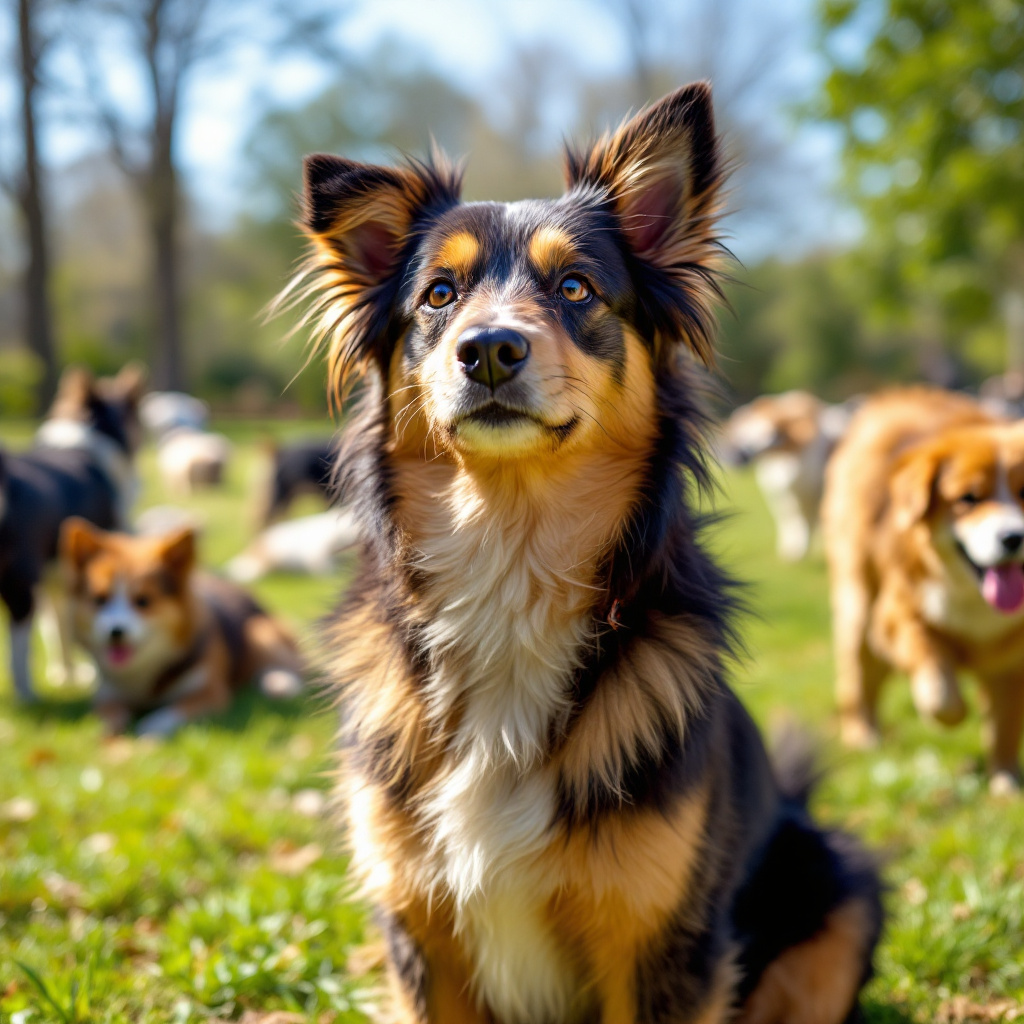

The impact of dog tax on dog owners: a look behind the scenes
The dog tax is a topic of heated debate among dog owners. For some, it is a necessary measure to regulate the dog population in urban areas. For others, however, it is simply an additional financial expense that clouds their concern for their four-legged friend. But what are the real effects of the Dog tax on dog owners? Let's delve into this fascinating world to understand the social and financial consequences of this controversial levy system.
A financial burden or a necessary investment?
Dog tax is often perceived as a financial burden that rests on the shoulders of dog owners. This tax, the amount of which varies depending on the city or municipality, can represent a significant ongoing expense for many. But what does this actually mean for the decision to adopt a dog?
When considering the financial impact of the dog tax on dog owners, the following points should be taken into account:
- The annual cost can be between 50 and 200 euros, depending on the region and factors such as the breed or number of dogs in the household.
- For „listed dogs“ that are categorised as potentially dangerous, the tax can be significantly higher.
- In some cities, an increased tax rate can make potential dog owners think twice about whether they can afford a pet.
This financial aspect has a direct impact on the decision to keep a dog and can even act as a deterrent. Interestingly, this also offers an opportunity: the tax can promote responsible dog ownership by ensuring that only those who are prepared to look after a dog in the long term keep it.

The social impact of the dog tax
In addition to financial issues, social effects also play an important role. The dog tax has the potential to influence the coexistence of people and dogs in urban areas. How exactly does this happen?
Firstly, tax can influence ownership rates. In areas with high tax rates, it can be observed that fewer people own dogs overall. This can lead to a more balanced urban space where there is less conflict between dog owners and other city dwellers who may be disturbed by loud barking or littered pavements.
Another interesting aspect is the promotion of social programmes. In many cities, the revenue from the dog tax is used to improve public facilities and services, such as:
- Construction and maintenance of dog parks
- Funding of training programmes for dog owners
- Support for animal shelters and other charitable organisations
These measures can contribute to an improved quality of life for dogs and their owners and strengthen social cohesion in the community.
The purpose and use of the dog tax
Why is there a dog tax at all and what is the money used for? These questions are crucial to understanding whether the tax is an unfair burden or a sensible municipal practice.
The main objectives of the dog tax are:
- Regulation of the number of dogs in urban areas: The tax provides impetus to curb uncontrolled dog ownership.
- Funding for urban infrastructure: The proceeds support the maintenance and expansion of parks as well as the provision of litter bins and other resources specifically designed for dogs.
- Promoting owner responsibility: to ensure that only responsible people who are aware of the costs adopt dogs.
Thanks to the tax, cities are often able to strike a balance between the interests of dog owners and the rest of the population. In the long term, all parties benefit from a well-managed dog population and improved urban amenities.
The critics and their arguments
Despite the potential benefits, the dog tax has been heavily criticised. Sceptics argue that it is unfair and discriminatory. Here are some of the most common concerns:
- Unfair to low-income families: The tax places a disproportionate burden on people with low incomes, for whom the financial outlay could put a strain on the family budget.
- Discrimination against certain races: Higher tax rates for listed dogs lead to the stigmatisation of certain breeds and owners.
- Little control over the use of funds: It is not always clear how the money raised is used and whether it actually benefits dogs and their owners.
To address these criticisms, municipalities must ensure consistent transparency and ensure that funds are effectively invested in dog-friendly projects.
A look into the future of dog tax
In view of digitalisation and the increasing interest in animal welfare issues, we are at an exciting turning point. Will the dog tax continue to play a key role in urban planning?
The future certainly looks interesting. Digital platforms could revolutionise the tracking and allocation of tax revenue, leading to greater transparency. At the same time, growing social pressure from animal welfare groups and dog lovers could ultimately trigger a reform of the existing systems.
In an ideal world, the dog tax would not be seen as a burden, but as an opportunity - a way to make our cities more liveable for dogs and people alike. Ultimately, it's all about balance: considering the impact of the dog tax on dog owners is essential to promote harmonious coexistence in urban spaces.
With the right implementation, we could lay the foundations for a new approach to the relationship between people, dogs and urban space. And who knows - maybe in the future the faithful dog could not only be our best friend, but also our best urban planner!
FAQs on dog tax
What happens to the dog tax money?
What is the money used for? The revenue from the dog tax flows into the municipal coffers. From there, it may be used according to the so-called total coverage principle. This means that the municipality itself decides what it wants to spend the money on.
What are the benefits of dog tax?
The revenue from the dog tax is not earmarked for a specific purpose. It is used to finance all kinds of municipal tasks - not just the removal of dog faeces or the expansion of dog play areas.
What happens if you don't pay dog tax?
If you do not pay this, you will first receive a reminder. This is followed by a second reminder, as anyone can accidentally forget to make a payment. You will then be threatened with enforcement and it may even come to the point where the debt and reminder fees are enforced.
Is the dog tax the same everywhere?
No, the amount of dog tax varies greatly from municipality to municipality. Some places only charge a small amount, while others, especially in large cities, charge higher fees. Factors such as the breed of the dog or the number of dogs in the household can also influence the tax rate.
Are there exceptions to the dog tax obligation?
Yes, there are exemptions or reductions in many municipalities. For example, dogs for the blind, assistance dogs or service dogs may be exempt from tax. It is worth checking the specific regulations of the respective municipality.