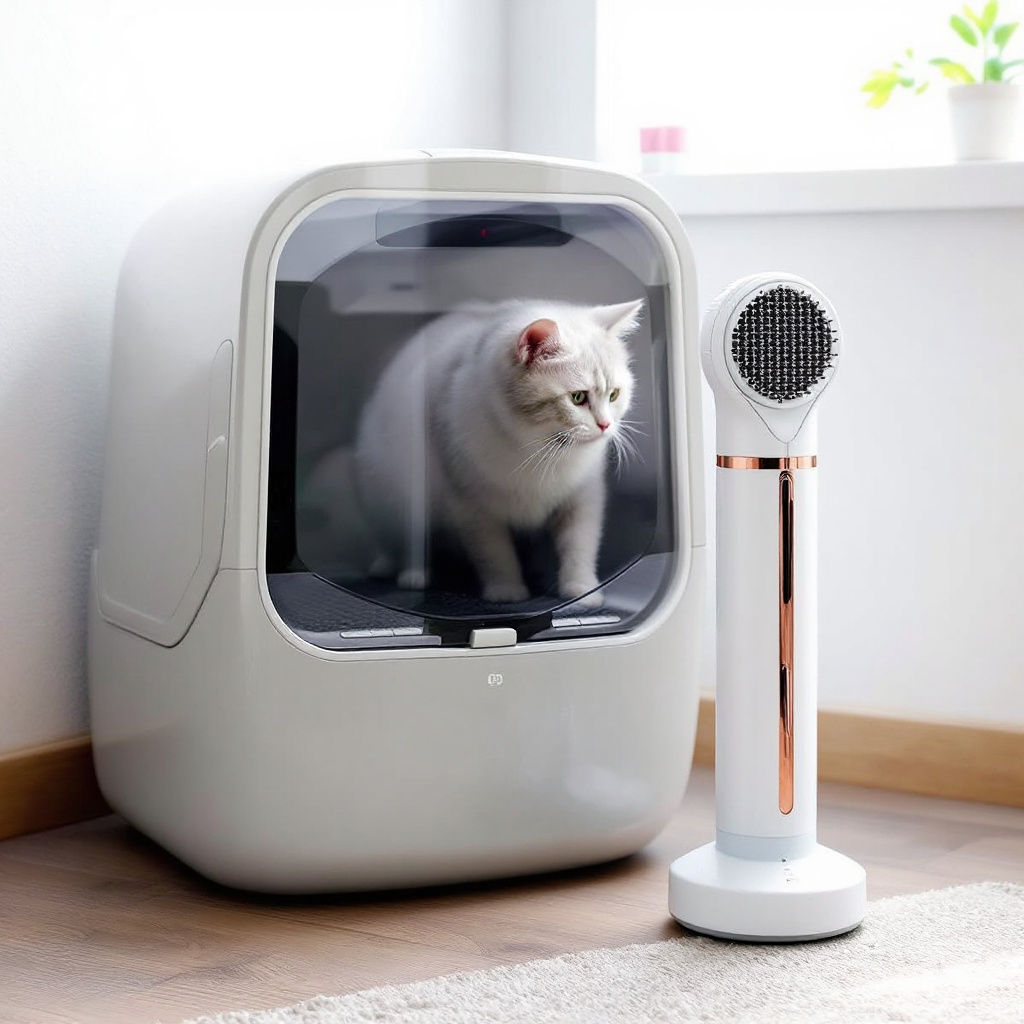

Toys for pet brain training: intelligence games for cats
Have you ever thought about how intelligent your little velvet paw really is? Cats, with their often unfathomable aura, are amazingly clever creatures. To keep their brains on their toes and satisfy their curiosity at the same time, there are a variety of Toys for pet brain training. In this article, we take a deep dive into the world of intelligence games for cats and explore how these creative toys can help keep our furry friends mentally challenged.
Why is brain training important for cats?
If you think that cats only love sleeping and catching mice, you're way off the mark. Behind those mysterious eyes lies a lively brain that sometimes needs more activity than you might expect. A healthy mind leads to a healthy body, so mental exercise plays an essential role in your cat's well-being.
Here are some reasons why smart toys are beneficial for cats:
- Problem solving skills: Intelligence games help cats to develop and improve their problem-solving skills.
- Minimise boredom: Active play reduces boredom, which in turn can reduce potentially destructive behaviour.
- Promotion of natural instincts: Many of these toys succeed in stimulating hunting instincts and other natural behaviours.
- Stimulation of body and mind: While the brain is being trained, physical exercises such as jumping and climbing can also be integrated.
The different types of intelligence toys for cats
Cats love variety as well as challenges. Fortunately, there are different categories of intelligence toys to consider. Let's take a look at these exciting alternatives:
1. puzzle toy
Puzzle toys are a tried and tested classic in pet brain training. These toys challenge the cat to find a solution in order to get a reward - e.g. a treat. Usually in the form of a board game with removable pieces, they train analytical thinking and concentration skills.
2. interactive ball games
It's hard to believe how fascinated cats can be by balls! Interactive toy balls that make noises or behave unpredictably are not only endlessly entertaining, but also encourage chasing and catching. This kills two birds with one stone: fun and training.
3. digital games and apps
Welcome to the 21st century, where even cats can be technologically impressed! There are numerous apps designed specifically for cats where they can hunt digital mice, laser dots or other moving objects on tablets or smartphones. This is a clever way to offer technologically savvy cats a new simulation of their hunting skills.
4. interactive laser pointers
Every cat loves the red dot! An automatic laser pointer flitting around the home can provide hours of mental stimulation and physical activity. But be careful, the laser should never be shone directly into the cat's eyes.
Play with strategy: choosing the right toy
Before you go too enthusiastically to the nearest pet shop or online shop, it is wise to consider a few points:
- Age of the cat: Young and older cats have different needs and abilities. While kittens are more interested in simpler, equally active games, older cats may need gentler alternatives.
- Personality: Some cats are passionate hunters, while others prefer to just interact from a cosy spot every now and then.
- Security: The toy should be free of dangerous materials or small, detachable parts that could be swallowed.
DIY intelligence toys: creative alternatives
If you'd rather do it yourself, there are great ways to make your own smart toys for your cat. These DIY projects often require nothing more than everyday household items.
A popular example is simple fiddly boards made from cardboard boxes, empty toilet rolls or egg cartons in which you can hide treats. Every cat loves to stick its paws through the small openings and discover the challenge piece by piece.
Whether bought or homemade: keep at it!
It's no secret - cats can be moody. A toy that was an absolute hit yesterday might only elicit a shrug of the shoulders today. That's why it's a good idea to change the toy regularly or adjust the layout of the environment a little to give their interest a new depth.
So, petri Heil, try something new and watch carefully to see how happy and content your cat is with its new Toys for pet brain training is. With the right mental challenge and physical activity, you can keep their spirits young and their mood high!
FAQs
How often should I give my cat new smart toys?
It all depends on your cat's personality! Some cats are fascinated by the same toy for days on end, while others need new stimuli every day. A varied change, perhaps once a week or depending on your cat's interests, keeps the game exciting and promotes mental exercise.
Can intelligence toys also be used in multi-cat households?
Absolutely! Many intelligence toys offer enough interaction opportunities for several cats at the same time. This can even promote teamwork and improve social interaction. However, make sure that there are no fights over the toy.
Are intelligence toys suitable for older cats?
Of course! Older cats actually benefit greatly from this, as such games can provide mental stimulation that supports mental health. Just choose toys that require less physical exertion to make it easier for them to have fun.