
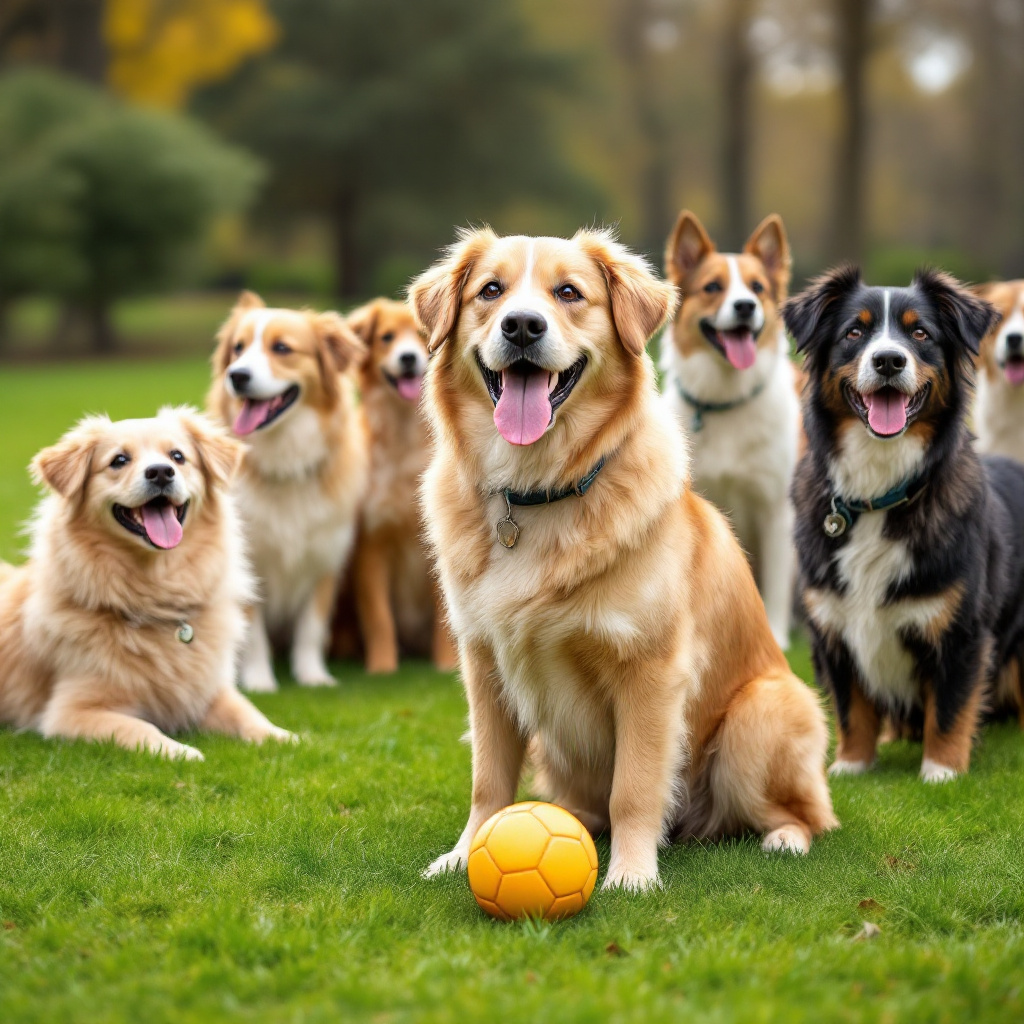
Dog training: How to successfully train rare dog breeds
Dog training is an art in itself. From basic training and behaviour modification to socialisation, training a dog can sometimes seem like a complicated dance routine. Especially when it comes to rare dog breeds, the dance becomes even more complex. Surprisingly, the main theme of this seemingly chaotic dance is quite simple: consistency, patience and love.
Why training dogs is essential
„Without training, a dog remains a wild wolf in a dog’s body,“ goes an old saying. A well-trained dog not only makes life easier for its owner, but also improves the animal’s own well-being. The training methods used for more common dog breeds can sometimes be applied to rare breeds as well, but there are specific considerations that must be taken into account.
The importance of obedience training
Dogs are pack animals. They need clear instructions to know how to behave within the household „pack structure“. This is where obedience training comes in. It strengthens communication between humans and animals and fosters a harmonious relationship. This can be particularly important for rare dog breeds, which may have unique characteristics or quirks.
The distinctive characteristics of rare dog breeds
As their names suggest, rare dog breeds are not commonly found. Some of them have specific needs that must be taken into account during training:
- Bergamasco: This Italian breed is known for its unique coat. They are very intelligent and eager to work, which requires a firm but loving hand when training them.
- Norwegian Lundehund: Due to their history as puffin hunting dogs, they are extremely agile and have extra teeth! These characteristics require special attention during training.
- Otterhound: These dogs are known for being a bit headstrong. A calm and patient approach is key here!
Effective training methods
Behavioural modification
Sometimes our furry friends have their little quirks. Dogs aren’t machines, after all, and sometimes display behaviour that isn’t ideal. Behaviour modification techniques can help correct unwanted behaviour. The key lies in reinforcing the desired behaviour whilst ignoring the unwanted behaviour. Here are some techniques that might help:
- Positive reinforcement: Use treats or praise whenever the dog does something well.
- Ignoring negative behaviour: Do not give the dog any attention if it does something inappropriate – e.g. barking to get attention.
- Consequence: If you decide to set a particular rule, it must be enforced consistently. Dogs understand consistency far better than inconsistent attention.
Socialisation as the key to success
For rare breeds, which may not have as many opportunities to interact with other dogs, socialisation can be a challenge. The earlier this begins in a dog’s life, the better. Regular play sessions, visits to the dog park or walks are great ways to stimulate your dog’s brain and strengthen its social skills.
Common pitfalls in dog training
Of course, nobody’s perfect. But the old saying „you learn from your mistakes“ isn’t just helpful for us humans; it also offers valuable insights into how to improve at dog training. Here are some of the most common pitfalls:
- Being too impatient: Even the best training methods take time to work. Give your dog the chance to learn at their own pace.
- Mixed signals: Repetition is key, but inconsistent cues can confuse the dog.
- Lack of further development: Dogs need variety too, and they want to keep developing. Learning new things keeps their minds sharp and healthy.
Dealing with setbacks effectively
Hey, it happens to all of us: sometimes Fido just backs out, just when you thought he’d learnt a particular command inside out. Setbacks are not uncommon when training dogs. What can you do about it?
Stay relaxed and take a deep breath. Dogs can sense when we’re frustrated and adjust their behaviour accordingly. A positive attitude is key. Instead of focusing on the negatives, take a step back and celebrate the small victories. Repeating what you’ve already mastered can reduce frustration and boost both your and your dog’s confidence.
Final thoughts: Going to the dogs
At the end of the day, training dogs – especially rare breeds – should not only be effective, but also fun. After all, a well-trained dog is not only a loyal companion, but also a happier dog. A team consisting of a dedicated trainer and an attentive four-legged friend can truly move mountains – or at least share many adventures together!
So yes, let’s give our furry friends the space to run free and enjoy the journey that teaches us so much more about living alongside our extraordinary dogs.
FAQs
What is the best way to train a dog?
Practising „Sit“, „Come“ and „Down“ at the same time every day isn’t fun for either you or your dog. So make sure you mix things up: train in different places, vary the commands and incorporate play sessions into the training. This will keep your dog engaged and make training more fun.
How do I get started with dog training?
It can never start too early: Start training your dog as soon as you have taken your four-legged friend into your home. Show him clear rules straight away and don't allow him to do anything he shouldn't do later on to help him familiarise himself. If you can start dog training as a puppy - all the better!
What training methods are there for dogs?
What training methods are available, and how can they be used to train dogs? Modern dog training methods include clicker training and shaping, chaining, capturing, target training, luring and the 300-pick method.
How do I deal with a stubborn dog?
A stubborn dog can sometimes be a tough nut to crack, but patience and clear, consistent instructions are key. It is important to use positive reinforcement and reward the dog when it behaves correctly. Avoid punishment, as this can often lead to more resistance.
Do I need to seek professional help?
That depends on the complexity of the behavioural problem. If your dog is suffering from severe behavioural problems, it is advisable to consult a professional dog trainer or behaviourist. They can offer tailored solutions and support designed specifically for your particular problem.