Training medium-sized dog breeds: the path to a well-behaved four-legged friend
Medium-sized dog breeds are true all-rounders that fit perfectly into many households. However, as with any dog, they require a certain amount of training to ensure they behave well in social situations and in everyday life. The right training method can make all the difference when it comes to bringing them up. In this article, we explore how to train medium-sized dogs successfully so that they develop into well-behaved companions. Whether you want your dog to learn tricks or need to tackle specific behavioural issues, we have the right tips and techniques for you.
Why medium-sized dog breeds are ideal for training
Medium-sized dog breeds offer many advantages when it comes to training. They are large enough to be sturdy, but not so large that they are harder to control than some large breeds. Many of these breeds are naturally intelligent and eager to learn. Border Collies, Labradors and Australian Shepherds stand out in particular, as their combination of intelligence and energy makes them ideal candidates for training.
Training basics: What you need to know
Before you start training your dog, it is important to understand a few basic principles:
- Consistency is the key: Inconsistency can confuse your dog. Set clear rules and be consistent.
- Positive reinforcement: Dogs learn best when they are rewarded for doing things right. Use treats, praise or toys as positive reinforcements.
- Patience: Every dog learns at its own pace. It takes patience and perseverance for your dog to master new commands.
Techniques for effective training
Now that we’ve covered the basics, let’s take a look at some specific techniques that are particularly well suited to training medium-sized dogs:
1. Clicker training
Clicker training is a popular method based on the principle of positive reinforcement. A clicker is a small device that makes a clicking sound when pressed. The sound marks the moment when the dog displays the desired behaviour. Over time, the dog learns to associate the clicking sound with a reward.
2. Agility
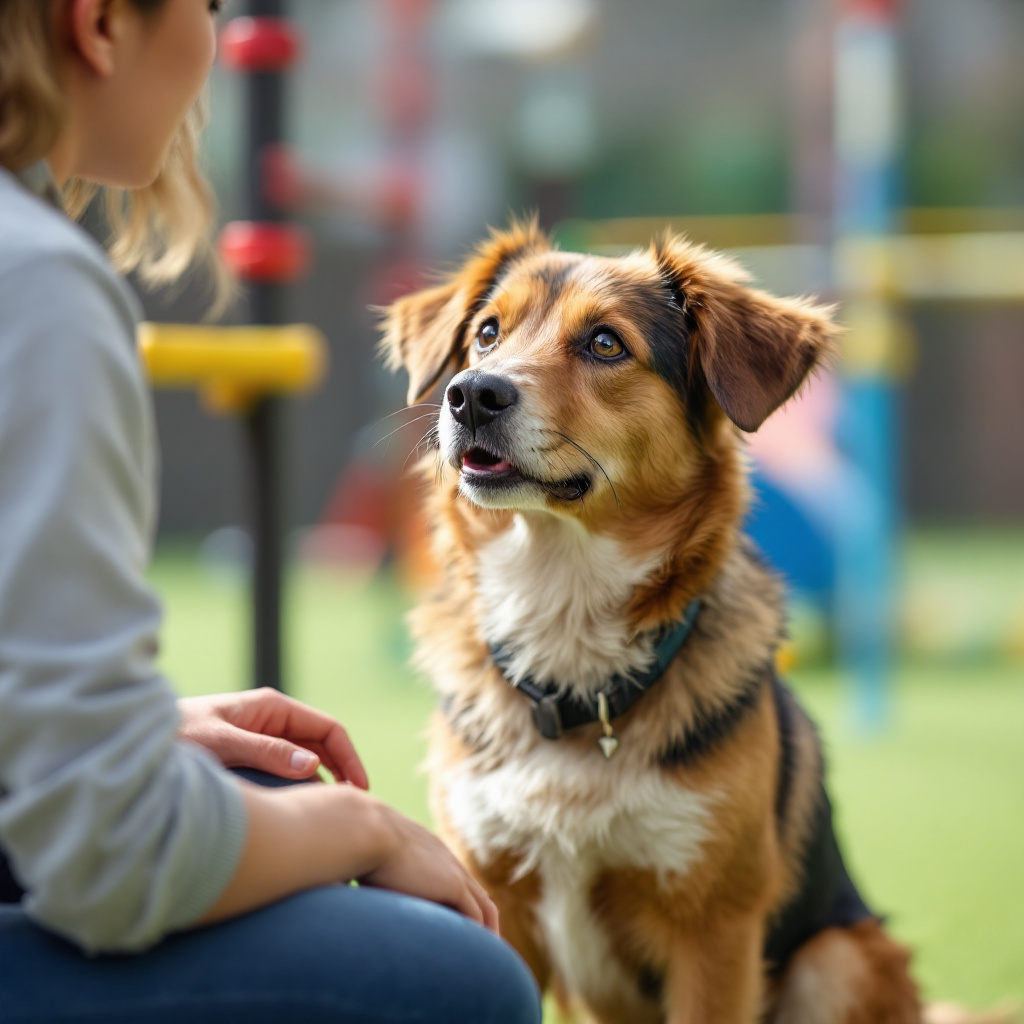
Medium-sized dogs often have enough energy and agility to excel in agility classes. Agility not only promotes your dog’s physical health, but also strengthens the bond between you and your dog. Furthermore, it offers a great way to train your dog’s attention and obedience.
3. Trick training
Teaching your dog tricks can be a fun way to help them learn new skills. Learning tricks boosts mental stimulation and encourages creativity. Start with simple tricks such as ‘sit’ or ‘give paw’, and gradually make the challenges more difficult.
Dealing with behavioural problems
Despite our best efforts, some medium-sized dogs may develop behavioural problems. Here are some common issues and strategies for dealing with them:
1. Separation anxiety
Many dogs suffer from separation anxiety when left alone. Gradual acclimatisation, where you slowly get your dog used to your absence, can help. Make sure he has plenty to keep him occupied so he doesn’t get bored.
2. Excessive barking
Barking can occur for a variety of reasons: boredom, fear or even excitement. Identify the cause and address it directly. Impulse control training can also help to reduce uncontrolled barking.
3. Jumping
Many medium-sized dogs tend to jump up at people. Whilst this may sometimes be endearing, it can become a problem. Solve the problem by ignoring the unwanted behaviour and praising him instead when he stays calm.
The role of socialisation
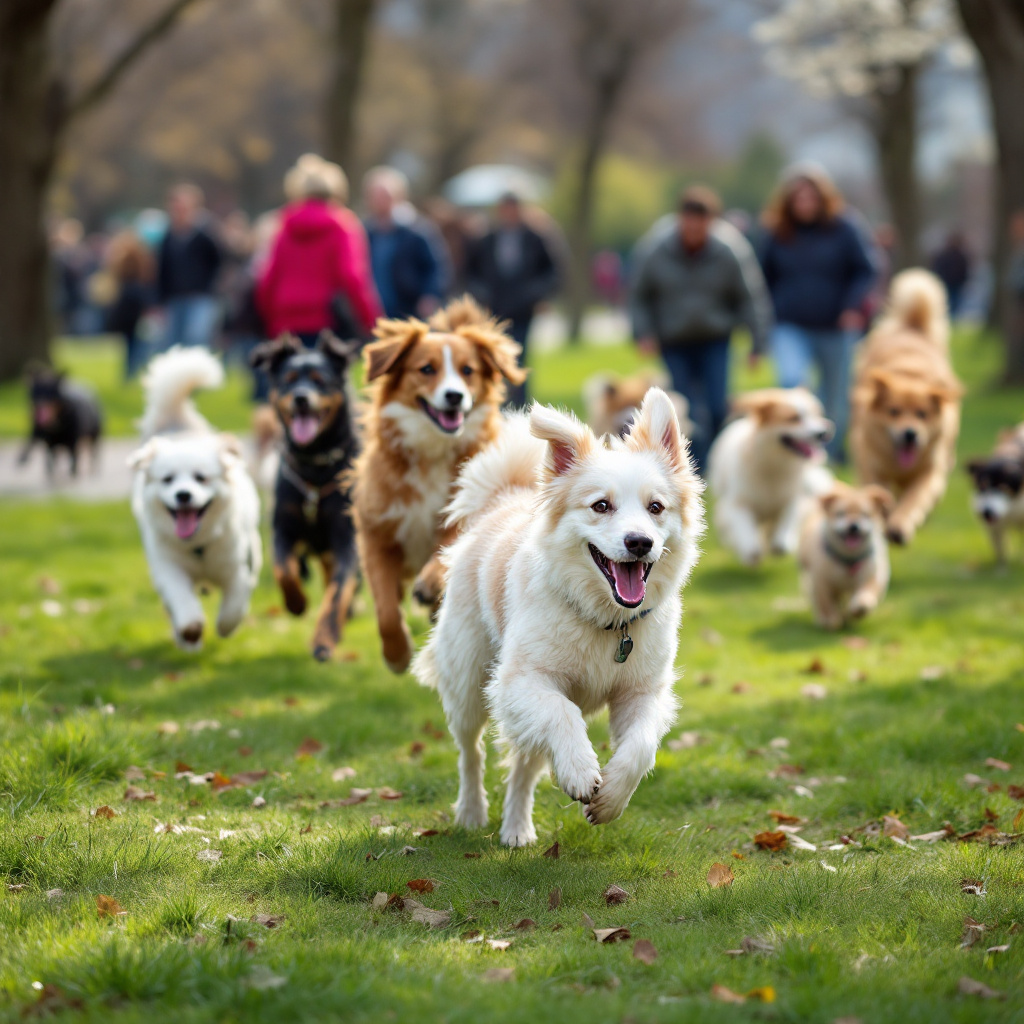
Socialisation is a crucial part of training. Make sure your dog has positive experiences with different people, places and other animals from an early age. This not only shapes their behaviour but also helps them feel at ease in a wide variety of situations.
Socialisation should:
- Start with puppies as early as the first few weeks of life.
- go smoothly and without stress.
- Be varied, incorporating experiences with vets, other dogs and different sounds.
The fun factor: Why games are important in training
Just like people, dogs love games. Incorporating games into training can boost your dog’s motivation. Games such as hide-and-seek, fetch or puzzle games not only provide a mental challenge, but are also incredibly entertaining.
Final thoughts on training medium-sized dog breeds
Training your medium-sized dog can be a rewarding experience that benefits both you and your four-legged friend. By using patience, consistency and positive reinforcement, your dog will learn skills that will stay with them for life. Remember that enjoying the process and strengthening the bond with your dog should be your top priority. So, don’t be discouraged if training doesn’t always go smoothly. Every dog is unique, and finding the right approach for your faithful companion is the key to success.
Frequently asked questions (FAQs)
Which medium-sized dog is the easiest to train?
When it comes to medium-sized dogs, Labradors and Border Collies are particularly easy to train. These breeds are not only intelligent, but also eager and obedient, which makes it easier for them to learn new commands. They are ideal for owners who may not yet have any experience of dog training.
Which breed of dog learns the quickest?
Here, too, the Border Collie stands out. Thanks to its high intelligence and energy levels, it is ideally suited to learning complex tricks and commands. This breed is particularly successful in agility and other dog sports. German Shepherds and Poodles are also quick learners and are therefore often among the top picks for demanding training methods.
Are medium-sized dogs harder to train than small or large dogs?
Not necessarily. Medium-sized dogs often have the advantage that they are not as challenging to control as large dogs, yet they still have enough energy and intelligence to be trained effectively. In a way, they strike the perfect balance when it comes to trainability, which makes them a popular choice for many dog owners.
How long does it take to train a medium-sized dog?
The duration of training depends on several factors, such as the dog’s individual temperament, its breed and the specific behavioural goals. Whilst simple commands can be learnt in a matter of weeks, it can take months to ensure that the desired behaviour is consistently displayed in all situations. Patience and consistency are the most important factors here.
Which training methods are most effective for medium-sized dogs?
Positive reinforcement is one of the most effective methods for medium-sized dogs. Clicker training and reward systems using treats are particularly recommended. However, games that provide physical and mental challenges also contribute to the effectiveness of the training. Every dog is unique, so it is important to take your dog’s preferences and individual traits into account.