
Travel expenses: A guide for dog owners when travelling
Every dog owner who has ever packed their ⛱️ suitcase knows the big challenge: what to do with your four-legged friend when the distance calls? Sure, you can take him with you or put him in a kennel. But no matter what you decide, one question always arises: How much does the fun actually cost?
Travelling with Bello: an overview of travel costs
If you decide to travel with your 🐕dog, you should keep a close eye on your travel costs. These can vary greatly depending on the breed of dog and the route. Here are a few aspects to bear in mind:
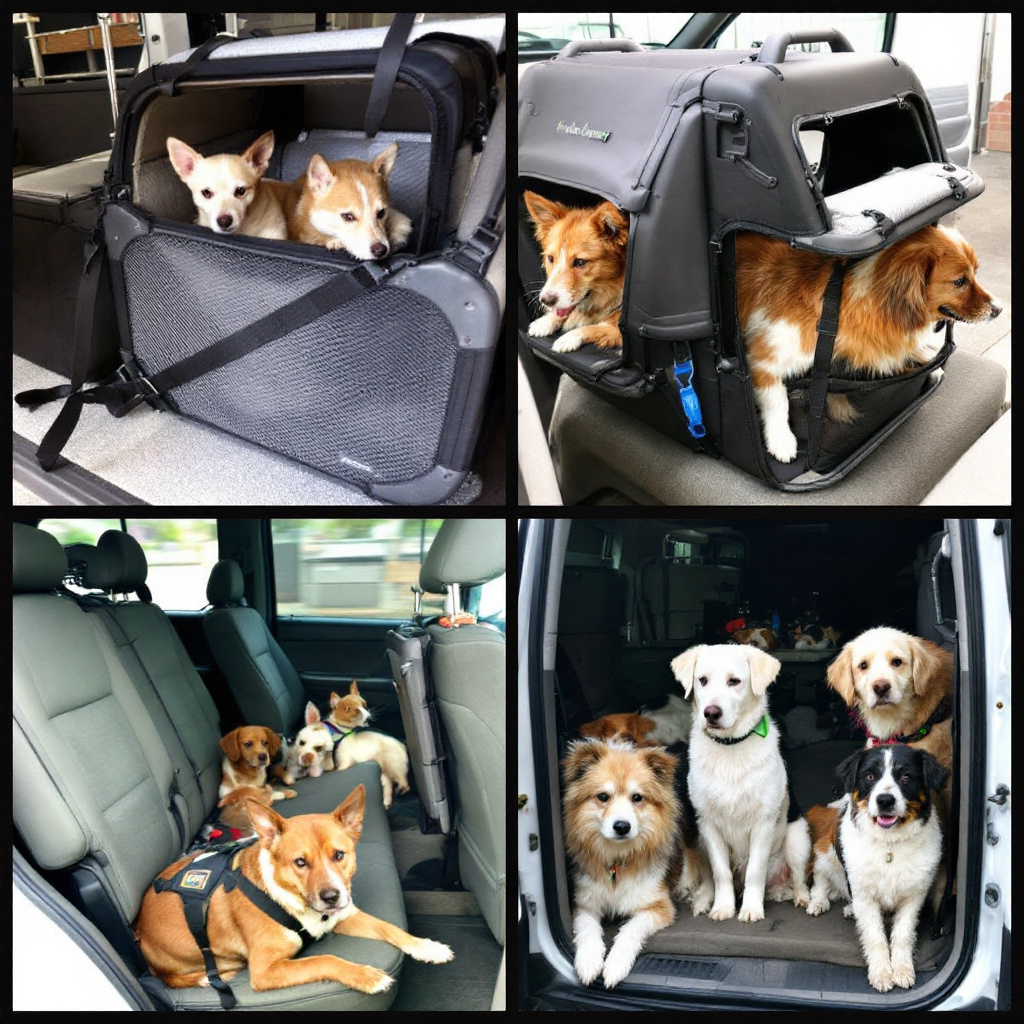
- Transport boxes: Depending on the size of the furry friend, these can cost between 20 and 200 euros.
- Travelling accessories: Life jackets, carrier bags or anti-stress pills - the little things quickly add up.
- Accommodation costs: Not every hotel is dog-friendly. Additional charges may also apply here.

Dog hotel or stay at home? Options in case of absence
If your beloved 🐾 companion is unable to travel with you, many dog owners are spoilt for choice. Boarding kennels or trusted friends and family can step in. Of course, each option comes with its own travel cost factors:
- Boarding kennels: Daily costs are often between 20 and 50 euros, depending on the location and services. This can be quite expensive for longer holidays!
- Housesitter: Is there a nice neighbour or an experienced dog sitter who can look after your home with your dog? Here, too, the payment should be fair.
- Friends and family: With a bit of luck, they will provide the care free of charge. A small gift as a thank you would still be appropriate.
Travelling costs vary according to dog breed
Funny, isn't it? But yes! The difference in costs often starts with the size and temperament of a dog. Here is a brief overview:
- Small dog breeds: Yorkshire Terriers or Chihuahuas usually have low travelling costs; they need less space and special accessories.
- Medium-sized breeds: Time for the 🐕🦺 average dog owner to plan a little more, be it for comfortable transport boxes or stronger harnesses.
- Large dog breeds: Bernese Mountain Dogs or Great Danes can quickly exceed your travel budget. Space requirements and specific safety precautions are greater here.
Saving tips for dog lovers who love travelling
A better understanding of potential travel costs can help to avoid unnecessary expenses. Here are a few tips to reduce costs:
- Book early: Many providers offer discounts for advance bookings. If you plan ahead, you can save money.
- Compare prices: Independent travel portals or app-supported price comparisons can be useful here.
- Consult online communities: Sometimes the best solution is just a comment away. Exchange ideas and get tips from other dog lovers.
- Flexible travel dates: Travelling costs can often be significantly reduced, especially in the low season.
Conclusion: Good planning is half the battle
Going on an adventure with your dog by your side is a wonderful 🧳 experience that is well worth the cost of travelling. However, with the right preparation, you can keep the financial burden in check. Whether going on holiday together or with support at home: if you calculate well, you'll have more fun and fewer worries - and that helps you focus on the essentials: The shared experiences with man's best friend.
So, where are you travelling to next with your 🐶 four-legged friend? 😊
FAQs
How can I reduce the travelling costs for my dog?
There are several strategies to reduce the cost of travelling with your dog. Firstly, early planning and booking can secure discounts. Secondly, use price comparison portals for accommodation and transport. Thirdly, look for hotels that do not charge extra fees for dogs.
Can travel expenses for pets be tax-deductible?
In most cases, pet travel expenses are unfortunately not tax-deductible as they are considered private expenses. However, there may be exceptions, especially if the dog is used for professional purposes, such as a therapy or assistance dog. In this case, it is advisable to consult a tax advisor.
How do I find out if my destination is dog-friendly?
The best way to identify dog-friendly destinations in advance is to research reviews and recommendations from other dog owners. Platforms such as dog blogs, travel apps and social media groups offer valuable insights and tips.
What if my dog falls ill while travelling?
It is always advisable to have the contact details of a vet at your destination to hand. Emergency veterinary insurance can also be a wise investment to avoid unexpected costs. You should also travel with a well-stocked first aid kit for your dog.
Which transport options are best for large dogs?
Cars with sufficient space or train journeys with special dog compartments are usually best suited for large four-legged friends. Travelling by plane should be carefully considered and comes with special requirements such as the size of the transport box and health certificates.