
Nutrition and Feeding Guidelines for Small Hunting Dogs: A Guide for Older People
Small hunting dogs can be the perfect companions for older people. They are intelligent, energetic and incredibly loyal. But like any pet, they need the right care to stay healthy and happy. An essential part of this care is their diet. In this article, we take an in-depth look at the diet and feeding guidelines specifically designed for small hunting dogs have been developed to ensure their well-being.
Why the right diet is so important
One thing is clear: a properly planned diet plays a crucial role in the life of your four-legged friend. Just like humans, dogs need certain nutrients to stay energised and lively. Small hunting dogs are often robust and active, but without the right nutrition they could quickly become lethargic or even ill.
- High-energy food: Small hunting dogs have a higher energy requirement than many of their larger counterparts. A balanced ratio of proteins and fats is crucial to maintain their performance.
- Essential vitamin intake: Vitamins such as A, D and E are essential for healthy skin, coat and eyes.
- Minerals and trace elements: Calcium and phosphorus are crucial for strong bones and teeth.

Nutrition and feeding guidelines in detail
The diet and feeding guidelines for small hunting dogs can seem complicated at first glance, but they are well thought out concepts aimed at getting the most out of the nutrients. Here is a comprehensive overview:
1. fixed feeding times
It is advisable to feed your dog at the same times each day to create a routine and aid digestion. Most experts recommend two to three smaller meals a day to cover the high energy requirements without overloading the stomach.
2. balanced meals
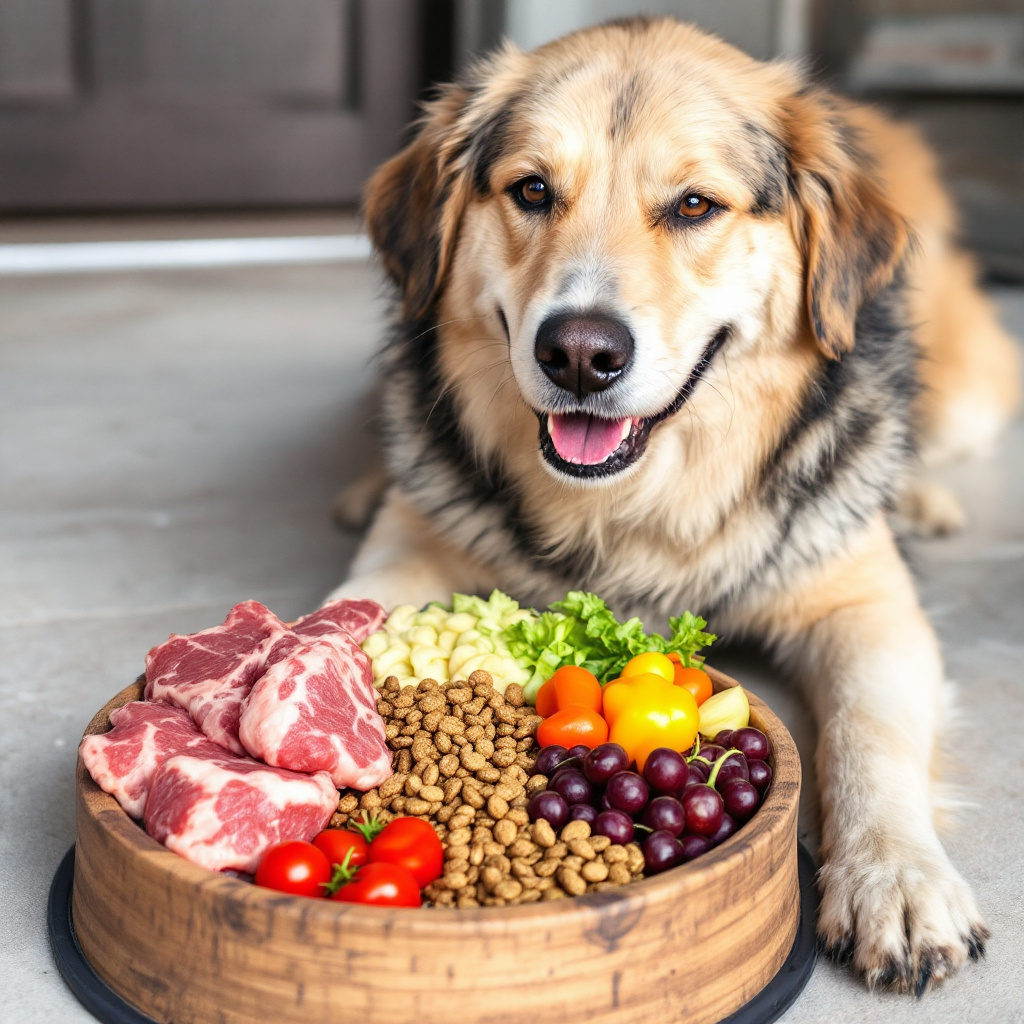
A meal should always contain a combination of protein, fat and carbohydrates. Fresh meat, chicken or fish are excellent sources of protein. Make sure to include a portion of high-quality dry food in the diet.
3. avoid food with fillers
Some commercial dog foods contain a lot of fillers and few real nutrients. Read the labels carefully and look for foods that do not contain artificial additives.
4. hydration Do not forget
Fresh, clean water should be available at all times. Your dog's water needs may vary depending on activity and weather, so make sure the bowl is always full.
Specialities of nutrition for older people and their dogs
Older people can benefit incredibly from the company of a small hunting dog. However, there are a few things they need to consider in order to take the best possible care of both themselves and their dog.
- Easier preparation of meals: Prepared food packages or easy-to-open cans can make life easier for older people. Fresh ingredients can be frozen in smaller portions and defrosted as required.
- Communication with the vet: It is not only helpful but also reassuring to talk to your vet regularly about your dog's needs. Especially if exercise is restricted or there are special medical conditions.
- Regular weight checks: An optimised weight check can help to make dietary adjustments in good time.
Treat the little ones to something special
Who doesn't want to spoil their faithful companion from time to time? Here are some healthy snack options that your little hound will love:
- Chicken treats: Boiled chicken meat, cut into small pieces, is a protein-rich treat.
- Cheese canapés: Small pieces of low-fat cheese can be given occasionally as a source of calcium and protein.
- Vegetable snacks: Carrots or celery are low in calories and offer a crunchy texture that many dogs love.
Conclusion: With love and knowledge to success
Feeding small hunting dogs may seem challenging at first glance, but with a little background knowledge and attention to detail, it is perfectly feasible. It is important to follow the diet and feeding guidelines to ensure the health and well-being of your furry friend. Older people who take the time to look after their dogs will be rewarded with a strong bond and lifelong companionship.
So here we go - make sure you follow these tips so that your little hunting dog can not only be your best friend, but also stay in top shape!
Frequently asked questions
How often should I feed my small hunting dog?
It is recommended to feed small hunting dogs two to three times a day. These regular meals help to meet their high energy requirements and aid digestion. By sticking to fixed feeding times, you create a routine that gives your dog a sense of security and well-being.
Which foods should I avoid when feeding my dog?
Avoid foods that contain artificial additives or fillers, as these offer minimal nutritional value. Chocolate, onions, garlic, grapes and sultanas are also toxic to dogs and should be avoided. Make sure you choose food with high quality ingredients.
Can I give my small hunting dog snacks?
Yes, but in moderation. Choose healthy snack options such as cooked chicken, low-fat cheese or crunchy vegetables such as carrots and celery. These snacks should only be given occasionally as a treat and should not be used as a substitute for a balanced meal.
How can I ensure that my small hunting dog gets enough fluids?
Fresh water should be available for your dog at all times. Check the water bowl regularly and top it up if necessary. Special attention is required on hot days or after intensive playtime, as the need for fluids is higher then.