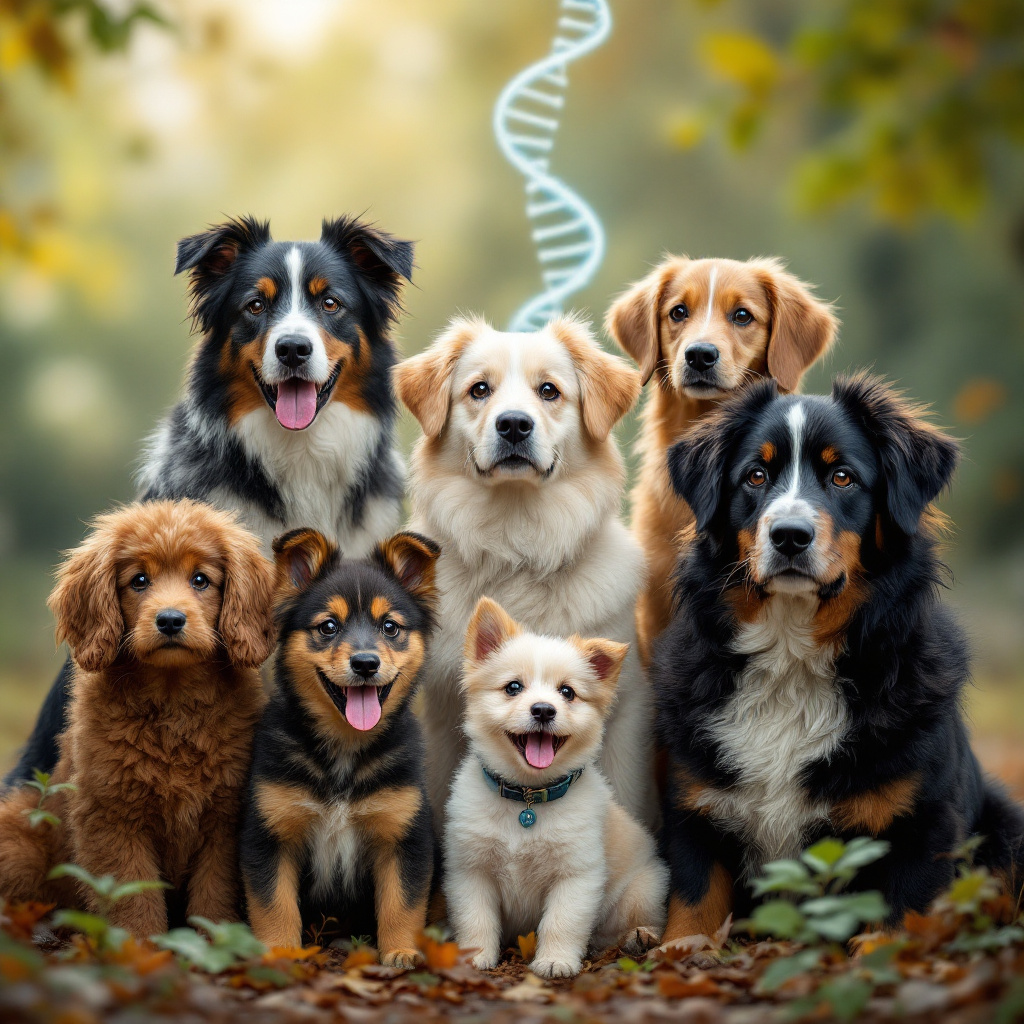

Health problems of small hunting dogs: What older people should look out for
Small hunting dogs are fascinating companions. Their spirited personalities and impressive hunting skills make them popular companions, especially for older people. However, as with all dogs, there are certain health issues that can arise, especially with small hunting dog breeds. In this blog article, we take a closer look at the health problems of small hunting dogs and provide valuable tips on how older people can manage them effectively.
1. why small hunting dogs can be suitable for older people
Small hunting dogs are often the perfect choice for older people. Why? Well, they combine the sprightliness and energy of larger dogs with a more compact size that allows for easier grooming and handling. But beware, they still need plenty of exercise and mental stimulation to stay happy and healthy.

2. common health problems of small hunting dogs
Like all living creatures, small hunting dogs are not free from health challenges. Some of the most common health problems that can occur in these dog breeds are:
- Dental diseases: Due to their small mouth size, these dogs tend to be more susceptible to dental problems such as tartar and periodontitis. Regular dental care is a must!
- Patellar luxation: A common orthopaedic problem in small breeds. The patella slips out of its normal position, which can cause pain and lameness.
- Overweight: These spirited dogs love to eat. Without sufficient control, this can quickly lead to obesity and associated health problems.
- Tracheal collapse: Another common problem where the dog's airways collapse, causing breathing difficulties.
3. tips on health care and maintenance
Older people who decide to have a small hunting dog can do a lot for the health of their four-legged friend with a few simple precautionary measures. Here are some tips:
- Regular visits to the vet: Prevention is the key! Your small hunting dog should have a health check at the vet at least twice a year.
- Dental care: Daily tooth brushing is ideal. Alternatively, special chewing articles and dental food can help.
- Keep an eye on your body weight: A balanced diet and regular, moderate exercise help to prevent obesity.
- Special training programmes: Provide sufficient mental and physical stimulation to keep the dog fit.
4. pay attention to the signals
Older owners should be aware of the body language and general condition of their small hunting dog. Early attention to signs of discomfort or changes in health can go a long way. Some indicators are:
- Excessive thirst or increased urination
- Changes in feeding behaviour
- Lethargy or noticeable tiredness
- Difficulty breathing or coughing
5 When it is better to see a specialist
There are times when a simple visit to the vet is not enough. In cases of more complicated health problems or rare diseases, a specialised veterinary team may be necessary. Especially for specific problems, such as patellar luxation or tracheal collapse, experts with the relevant knowledge and experience are worth their weight in gold.
6 Conclusion: A healthy hunting dog is a happy hunting dog
For older people who appreciate the charm and energy of small hunting dogs, it is crucial to be aware of potential health issues and be proactive. With the right care, regular medical check-ups and conscious management of their day-to-day needs, these lively four-legged friends will stay healthy and lively.
So, are you ready for a little furry companion? Remember: a healthy dog is a happy dog, and a happy dog means joy and satisfaction for its owner. Let's start the adventure!
FAQs
Are small dogs more susceptible to diseases?
On the one hand, small dogs can often have health problems, as they can be more susceptible to illnesses due to their small size. These include, for example, breathing problems or problems with their teeth, which are more common in smaller breeds than in larger dogs.
Do small hunting dogs require intensive care for older people?
Yes, although small hunting dogs are more compact and easier to handle, they still require regular grooming. Their energy levels require mental and physical exercise, and frequent brushing and nail trimming are also part of the routine. However, this is worth the effort, as healthy dogs are happy dogs.
Can small hunting dogs develop allergies?
Yes, like all dogs, small hunting dogs can also develop allergies. Common allergens include environmental factors such as pollen, house dust mites and certain food ingredients. If an allergy is suspected, it is advisable to consult a vet to discuss tests and suitable treatments.
Can small hunting dogs be allowed to run free?
Small hunting dogs may only run free if they can be called off immediately. Dogs are not required to be kept on a lead in the forest, but in certain areas such as children's playgrounds, play and sunbathing areas and water treading facilities. The exact regulations may vary depending on the federal state, but they are generally set out in the State Forest Act (LWaldG) and the Hunting and Wildlife Management Act (JWMG).
Are small dogs healthier than larger breeds?
In short, not necessarily. Whilst small dogs can have a longer lifespan, they are not automatically healthier. They have their own special health issues, such as the aforementioned dental disease or patellar luxation. Regular medical care and grooming are crucial to ensure the health of any breed.