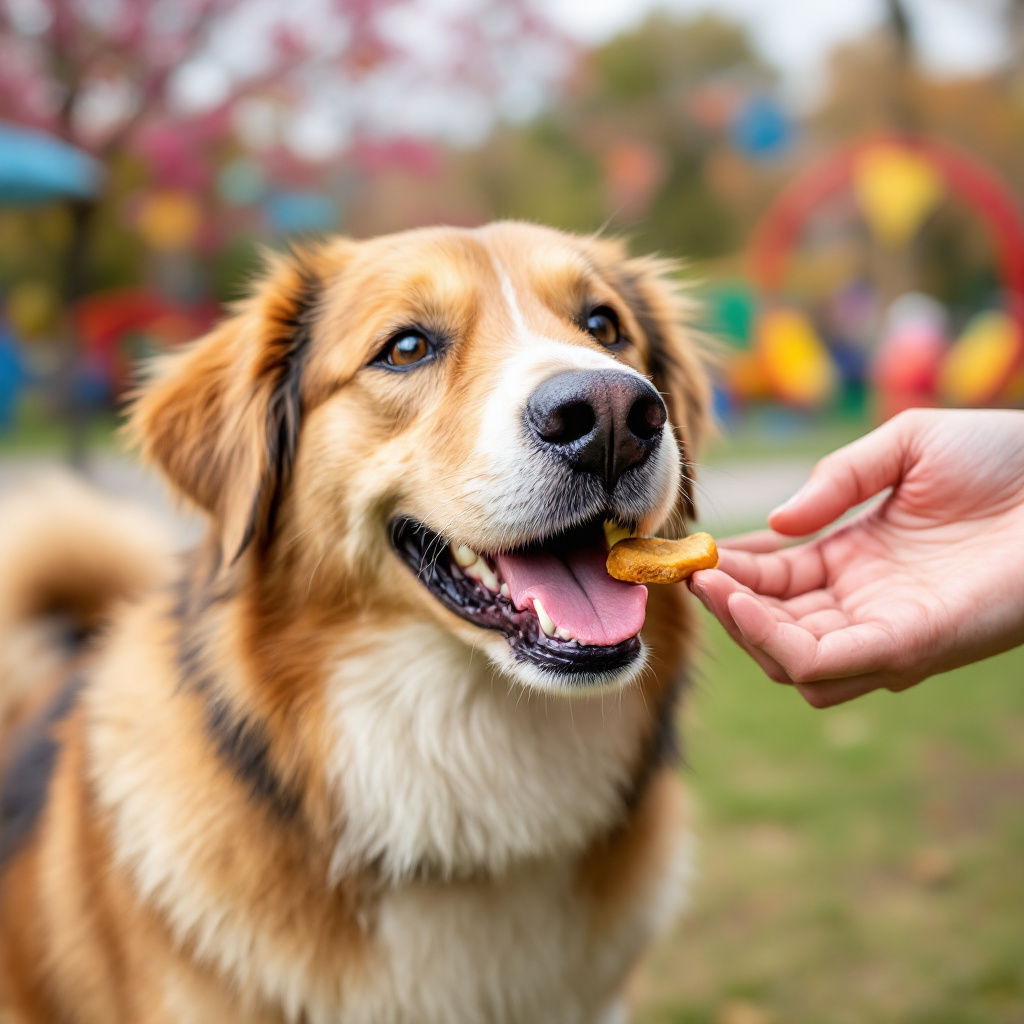

Behaviour of small hunting dogs during the reproductive phase: Reproductive health in small hunting dogs
There are few things more fascinating than the behavioural changes of small hunting dogs during their reproductive phase. This special phase in their lives brings with it a variety of different behavioural patterns that can be both exciting and challenging.
Whether you're a dog owner or a breeder, it's crucial to understand the reproductive health and behaviour of your animal companions during this time. Let's dive deeper into this topic and find out what's going on during this special time in your dogs' lives.
Reproductive cycle of small hunting dogs
Understanding the reproductive cycle in small hunting dogs is the key to successful breeding and care. The cycle consists of several phases:
- Proestrus: This is the precursor phase of oestrus. Signs such as increased shedding, swelling of the vulva and bloody discharge are common. During this phase, bitches often show a change in behaviour and are particularly cautious.
- Oestrus: The actual oestrus phase, when the bitch is ready to mate. During this time, bitches often display flirting and mating behaviour, such as laying their tails back and holding their rumps up.
- Metöstrus: After the bitch is no longer ready to mate, this phase begins. Her hormones regulate and the body prepares itself either for pregnancy or the restoration of a non-pregnant state.
- Anaesthesia: This is the resting phase between cycles, which can last several months until the next cycle begins.

Behavioural changes in the reproductive phase
Small hunting dogs show exceptionally diverse behavioural changes. These can be emotionally and physically demanding, both for the dogs and for their owners and breeders.
Behaviour of the bitches
During the reproductive phase, dog owners often notice changes in the behaviour of their bitches. These include:
- Increased territorial behaviour: They can strongly defend their resources, such as food and places where they sleep.
- Emotional fluctuations: Mood swings are not uncommon. Some bitches become more affectionate, while others become more withdrawn and irritable.
- Changed eating behaviour: In many cases the appetite changes. Some bitches eat more, others less.
- Targeted territory marking: Bitches often display conspicuous marking behaviour by passing small amounts of urine in many places.
Behaviour of the males
Males are also not uninvolved in the reproductive phase. Their behavioural patterns also vary and include:
- Increased wanderlust: Males are magnetically attracted to the pheromones of females and often endeavour to follow them, even far from home.
- Increased aggressiveness: Encounters with other males can lead to territorial fights and increased aggression in order to win the bitch's favour.
- Increased marking behaviour: To demonstrate their presence and claims, the male dog walks around with his legs raised and marks in conspicuous places.
Health aspects and care during the reproductive phase
During the breeding phase, it makes sense to pay particular attention to the health of your small hunting dogs. Here are some important points:
- Regular veterinary checks: Regular visits to the vet will ensure that your dogs are healthy and ready for the upcoming reproductive phase.
- Balanced diet: A nutritious and balanced diet for your female and male dogs will ensure that they have the energy and nutrients they need during this time.
- Hygiene: Particular attention should be paid to hygiene management to prevent infections and illnesses.
Breeding planning and management
Proper planning and management of the breeding programme is crucial to ensure healthy puppies while ensuring that the parent animals do not suffer unnecessary stress. Here are some tips:
- Genetic analyses: Genetic tests should be carried out before mating to rule out hereditary diseases and health problems.
- Breeding breaks: Bear in mind that constant reproduction can affect your dog's health. You should therefore plan recovery periods.
- Monitoring of reproduction data: Keep a close record of your dogs' reproductive cycles to determine the best time for mating.
Training and behavioural corrections
A key aspect of dealing with dogs during the reproductive phase is training and behaviour correction:
- Puppy school: Early training helps to lay the foundations for good manners and social behaviour.
- Positive reinforcement: Reward good behaviour to encourage positive behaviour. Avoid punishments as these can cause stress.
- Patience: Be patient with your dogs. This phase is challenging for both them and you.
Final thoughts
The behavioural changes of small hunting dogs during the reproductive phase are as varied as they are fascinating. This phase poses particular challenges for both dog owners and breeders and requires a high degree of understanding and patience. By educating yourself about the different stages of the reproductive cycle and carefully observing your dogs' behaviour, you can ensure that they remain healthy and happy. With the right breeding plans, a balanced diet and regular training, nothing stands in the way of successful reproduction.
By paying attention to reproductive health and understanding the behaviour of your small hunting dogs, you will ensure that these important stages in your dogs' lives are treated with the respect and care they deserve.
FAQs
What does guided hunting mean?
Hunting dogs are also known as hunting dogs. When working „after the shot“, the dog is sometimes indispensable for the hunter. The use of a hunting dog is therefore a prerequisite for proper hunting.
Which dogs are only given to hunters?
To these Hunting dog breeds include German Wirehair, German Shorthair, German Pointing Dog, Weimaraner (Shorthair), Pudelpointer, Griffon, Magyar Viszla, German Hunting Terrier, Smooth Fox Terrier, Wirehaired Fox Terrier, Parson Russell Terrier, German Watchdog, Breton Pointing Dog and Spaniel.
Are dogs still functional hunters today?
In times of pandemic and working from home, more and more hunters and non-hunters are opting for a dog in their own household. The trend towards hunting dog breeds has risen sharply among non-hunters. However, hunting dogs are working dogs and were bred for specific purposes.
What do you call a young hunting dog?
A puppy is a juvenile domestic dog, but also a wolf or fox that is still suckling or is no more than two to three months old. A mixed breed puppy of Wolfspitz and Siberian Husky.