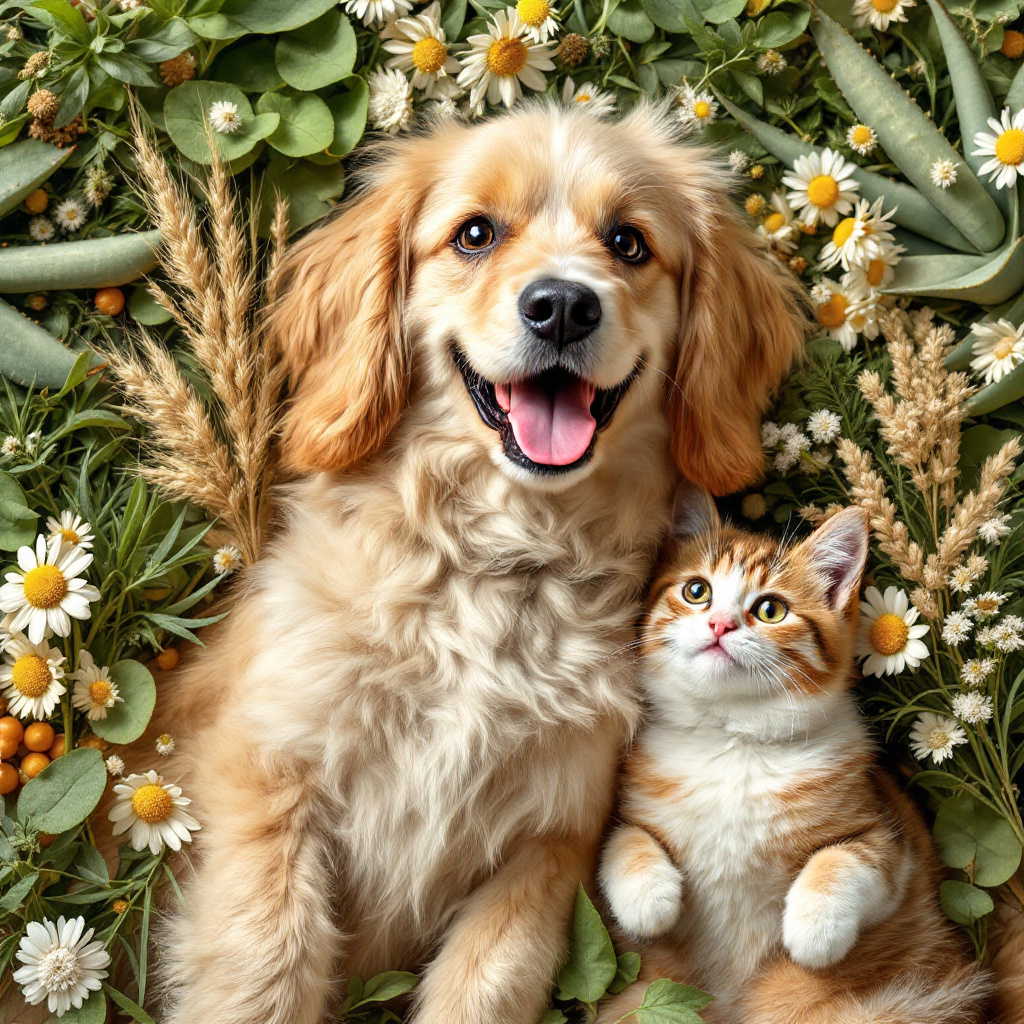

Legal aspects and ethics of hunting with small dogs
Hunting is an ancient instinct, deeply rooted in the DNA of our four-legged friends. Small hunting dogs in particular display an impressive combination of agility, courage and intelligence, which makes them ideal companions for hunting. However, when using these little four-legged friends in hunting practice, hunters not only need to consider the hunting skills of their dogs, but also give careful consideration to legal and ethical aspects. In this article, we take a deep dive into the world of small hunting dogs and shed light on how to hunt with them in a legally compliant and ethical manner.
Legal framework: An indispensable foundation
Before you can even think about hunting with a small dog, it is essential to familiarise yourself with the country's legal regulations. Hunting laws vary greatly from region to region and set detailed regulations regarding hunting seasons, huntable species and permitted hunting methods. For hunters, this means not only securing an appropriate licence, but also understanding how and when small dogs can be legally used.
- Hunting licence and training: Hunters must pass an examination to obtain their hunting licence, which often includes specific training for the dog.
- Hunting seasons and species: Not every game species may be hunted all year round, and certain dog breeds may only be used for certain types of hunting.
- Animal welfare laws: The health and welfare of the dog has top priority. Hunters must ensure that the use of the dog does not lead to its suffering.
Ethical considerations: More than just laws
Beyond complying with the law, hunters have a great responsibility towards nature, game and their dogs. The ethics of hunting with small dogs touches on many areas, from the way the dog is trained to the hunting methods and the long-term impact on the environment.
Respect for the game: Ethical hunting means honouring the game and only killing as much as is necessary to maintain the ecological balance. It is about acting sustainably and minimising suffering.
Dog welfare first and foremost: The training of small hunting dogs should be based on positive reinforcement and a close bond between dog and owner. Good training not only promotes hunting skills, but also protects the dog from danger.
Hunting as part of nature conservation: Properly practised, hunting can contribute to the conservation of biodiversity and the maintenance of habitats. Hunters and their dogs can be active participants in conservation by controlling invasive species and supporting natural flora and fauna.
History and origin of small hunting dog breeds
To fully appreciate the importance of small hunting dogs, it is worth taking a look at their history. Many of the small dogs known today Hunting dog breeds have been bred to perform optimally in specific terrains or for specific types of hunting. From the bold basset hound that penetrates the den to the nimble beagle that follows the scent, each breed has its own unique abilities that make it a valuable hunting companion.
In the past, small dogs were often underestimated, but they have proven that their size is no obstacle to effectiveness. On the contrary, their manoeuvrability and zeal often make them better hunters in dense undergrowth or hard-to-reach areas. The story of the small hunting dogs is thus a tribute to their adaptability and unwavering courage.
Conclusion: ethics and law go hand in hand
Hunting with small dogs raises important legal and ethical issues that every responsible hunter should consider. Hunting can be an enriching experience for both humans and animals by thoroughly analysing the legal requirements and always keeping in mind the welfare of the dog, respect for the game and the protection of nature. The small hunting dogs, with their impressive history and unique abilities, deserve to be handled with respect and care. They are not only hunting companions, but also valued members of our families and communities.
The bond between hunters and their dogs, characterised by respect, trust and affection, illustrates the true spirit of hunting. It reminds us that in harmony with nature and respectful treatment of all living creatures, hunting is more than the pursuit of game - it is a profound connection to the world around us.
FAQs
What is meant by hunting ethics?
Thoughts on hunting ethics include the careful treatment of wild animals, including their regulation, as well as the interaction between hunters and between hunters and other land users. The ethical treatment of wildlife represents both an obligation and a challenge for hunting and aims to respect the dignity of the animal at every stage of the hunt.
Is hunting ethically justifiable?
The question of the ethical justifiability of hunting is a complex and controversial one. Critics argue that natural environmental influences and food supplies regulate animal populations themselves and that hunting is therefore unjustifiable from an ecological and moral point of view, as it disrupts the natural ecosystem. Supporters, on the other hand, see hunting as a means of controlling and preserving populations and habitats.
What are typical hunting behaviours in dogs?
Typical hunting behaviour in dogs follows a sequence of eight elements: Locating, fixing, stalking, following, grabbing, killing, dismembering and eating. During the first two phases - locating and fixing - dogs are usually still responsive and can be interrupted in their behaviour. However, if this moment is missed, it can be difficult to dissuade the dog from further pursuit.
What does hunting have to do with animal welfare?
The relationship between hunting and animal welfare is complex. Critics argue that hunting does not protect species, as hunters are not in a position to strongly protect animals. Endangered species such as the grey partridge or the lynx through hunting practices. Instead, it is argued that hunting is merely a leisure activity for many people and is not in line with nature conservation objectives. Nevertheless, supporters see sustainable hunting practices as contributing to the protection of certain habitats and the regulation of wildlife populations, which can have a positive impact on animal welfare under certain circumstances.