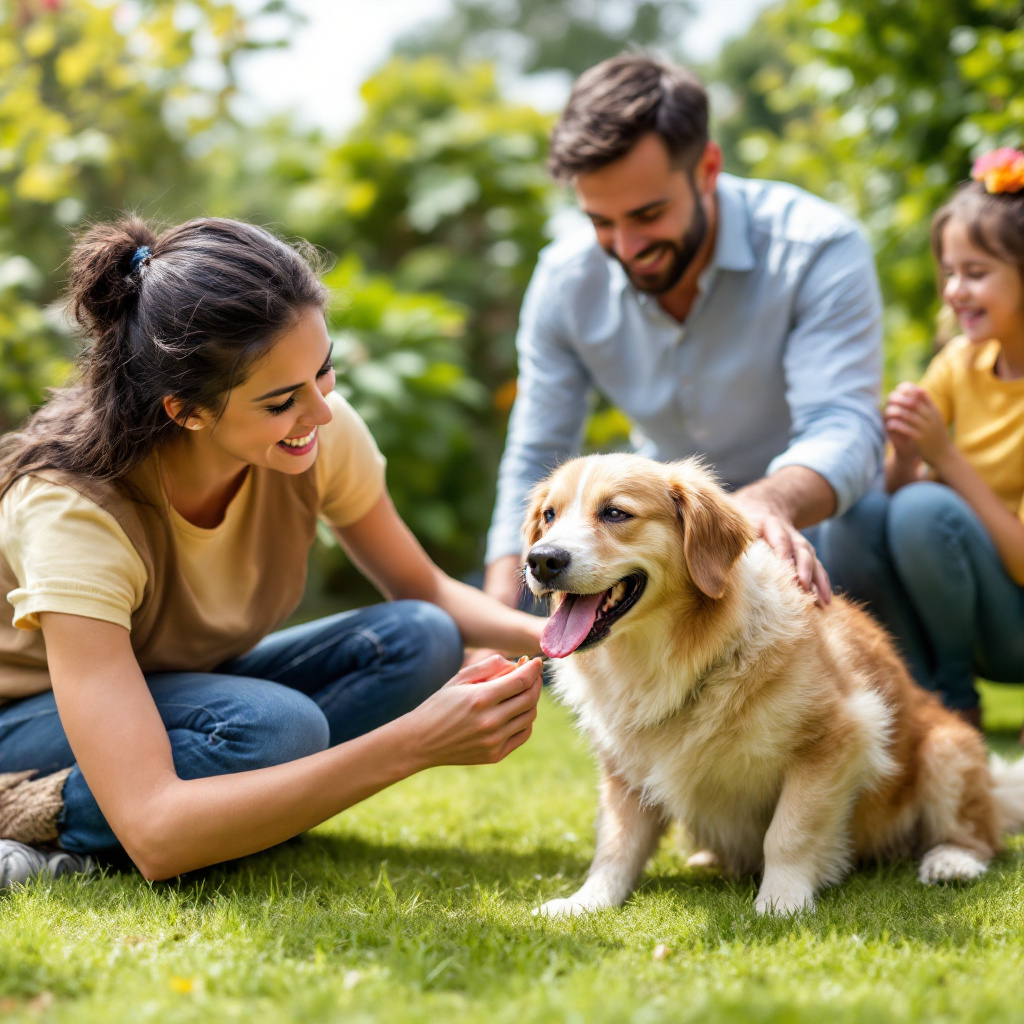

Optimal nutrition for small hunting dogs: the key to health and performance
Anyone who owns a small hunting dog knows that these agile four-legged friends are more than just pets - they are trained athletes whose physical condition significantly influences their performance when hunting. This makes it all the more important to Nutrition for small hunting dogs, It not only ensures a shiny coat and healthy bones, but also provides the necessary energy and stamina for hunting. In this article, we will look at the specific nutritional needs of these agile hunters to ensure that your companion is always in top form.
The basic building blocks: What small hunting dogs really need
The right balance of proteins, fats and carbohydrates is crucial for the health of your body. Nutrition small hunting dogs. It is not only important that they eat, but above all what they eat.
- ProteinsAs the number one muscle builder, protein should be an essential part of your diet. Meat, fish and eggs provide high-quality proteins that are essential for repairing and building muscle.
- FatsThey are important sources of energy and ensure that your little hunter can stay active throughout the day. The focus should be on unsaturated fatty acids, which can be found in salmon or high-quality oils, for example.
- CarbohydratesAlthough they are often demonised, carbohydrates play an important role in providing energy. Complex carbohydrates, such as those found in wholemeal products, vegetables and certain fruits, should be favoured.
A look at the clock: the importance of feeding times
You might think that feeding a dog is child's play - but far from it! Timing plays a decisive role, especially with active hunting dogs:
- A Generous breakfast provides sufficient energy for the day.
- Snacks can help maintain energy levels without overloading the stomach.
- A light dinner promotes night-time regeneration without putting too much strain on the metabolism.
But be careful: too much food before physical exertion can have a negative effect and even lead to digestive problems.
Special diet plans for special hunters
Not every small hunting dog is the same. Whilst some do very well on a conventional diet, others need a specially adapted diet:
- BarfenThis feeding method, which is based on the natural diet of wolves, is becoming increasingly popular. It offers the opportunity to customise the diet to your dog's individual needs.
- Industrially produced feedHigh-quality dry or wet food can be a balanced alternative, provided it is specially formulated for hunting dogs.
- SupplementsSupplements such as omega-3 fatty acids or glucosamine can enrich your dog's diet and contribute to vitality and joint health.
Feeding correctly: tips and tricks for practical use
A high-energy life requires not only the right food, but also a clever feeding strategy:
- Always provide fresh water - especially after hunting or training.
- Observe your dog's reaction to the change in diet and adjust portion sizes if necessary.
- To minimise the risk of gastric torsion, do not feed your dog immediately before or after intense physical exertion.
At the end of the day, nobody knows your little hunting dog as well as you do. Observation and catering to individual needs are the key to a successful diet. Because only a healthy and energised hunting dog can really shine on the hunt and in training.
Conclusion: A customised diet for top performance
The Nutrition for small hunting dogs is a complex topic that cannot be dismissed with a few chunks of dry food. It requires patience, observation and a willingness to take a closer look at the needs of your four-legged hunting partner. Whether barfing, specialised dry food or an individually tailored mix of both - the secret lies in the balance and quality of the food. With the right diet, your little hunter will not only be healthier and happier, but will also perform at his best when hunting. So, take the time to optimise your small hunting dog's diet - it's worth it!
FAQs
What should hunting dogs eat?
Dogs - and therefore also your hunting dog - are not pure carnivores, but omnivores. In addition to high-quality animal ingredients, plant-based components should therefore also be part of the diet to ensure it is balanced.
What can a small dog eat?
What foods are dogs allowed to eat? Pasta, rice, potatoes (cooked and without skin), lean meat, boiled eggs, quark or yoghurt. Dogs are allowed to eat almost all fruit and vegetables that we humans also eat.
What does a small dog eat per day?
Puppies and young dogs While adult dogs need 2 - 3 % of their body weight in food per day, the requirement for young animals is higher and is 4 - 6 % of body weight. For a 5kg puppy, this means 200 - 400g. Divide this amount into four to five meals a day.
How often should you feed a small dog?
Very small dog breeds such as Chihuahuas or Miniature Pinschers have a comparatively high energy requirement in relation to their size and should therefore be fed twice a day. This allows the dog to regenerate and stay active.