
Behaviour training for small hunting dogs: How to make your four-legged friend the perfect companion
Anyone who owns a small hunting dog knows that these cuddly four-legged friends are real bundles of energy just waiting to live out their hunting instincts. But don't worry, with the right behavioural training you can make your little hunter the perfect partner not only in the field, but also at home. In this article, we take you on a journey through the world of training for small hunting dogs. Together we will put together a training package that will both make your dog happy and develop his natural talents.
The cornerstones of behavioural training
Before we dive into the deep forests of training techniques, let's start with the basics. The ABCs of behavioural training for small hunting dogs includes patience, consistency and understanding. These three pillars form the foundation on which everything else is built:
- Patience: Hunting instincts are deeply woven into your little four-legged friend. Being patient while your dog learns and gets used to new behaviours is the key to success.
- Consequence: Dogs are creatures of habit. Consistent behaviour helps your dog to understand what is expected of him and promotes a stable learning environment.
- Understanding: Every dog is an individual. Recognising that sometimes certain approaches need to be adapted to meet the unique needs of your little hunter is essential.
The 1×1 of obedience
Basic obedience is the be-all and end-all in life with your hunting dog. Commands like Seat, Place and By foot form the basis for successful communication between you and your dog. But how do you achieve this basic obedience? Here are a few tried and tested methods:
- Positive reinforcement: Reward your dog for good behaviour. Whether with treats, praise or play - find out what motivates your little hunter.
- Short but regular training sessions: Short training sessions of 5-10 minutes, several times a day, are more effective than long and infrequent sessions.
- Patient repetition: Repetition is the key to success. Don't be frustrated if your dog doesn't immediately understand every command.
Encourage hunting skills through play
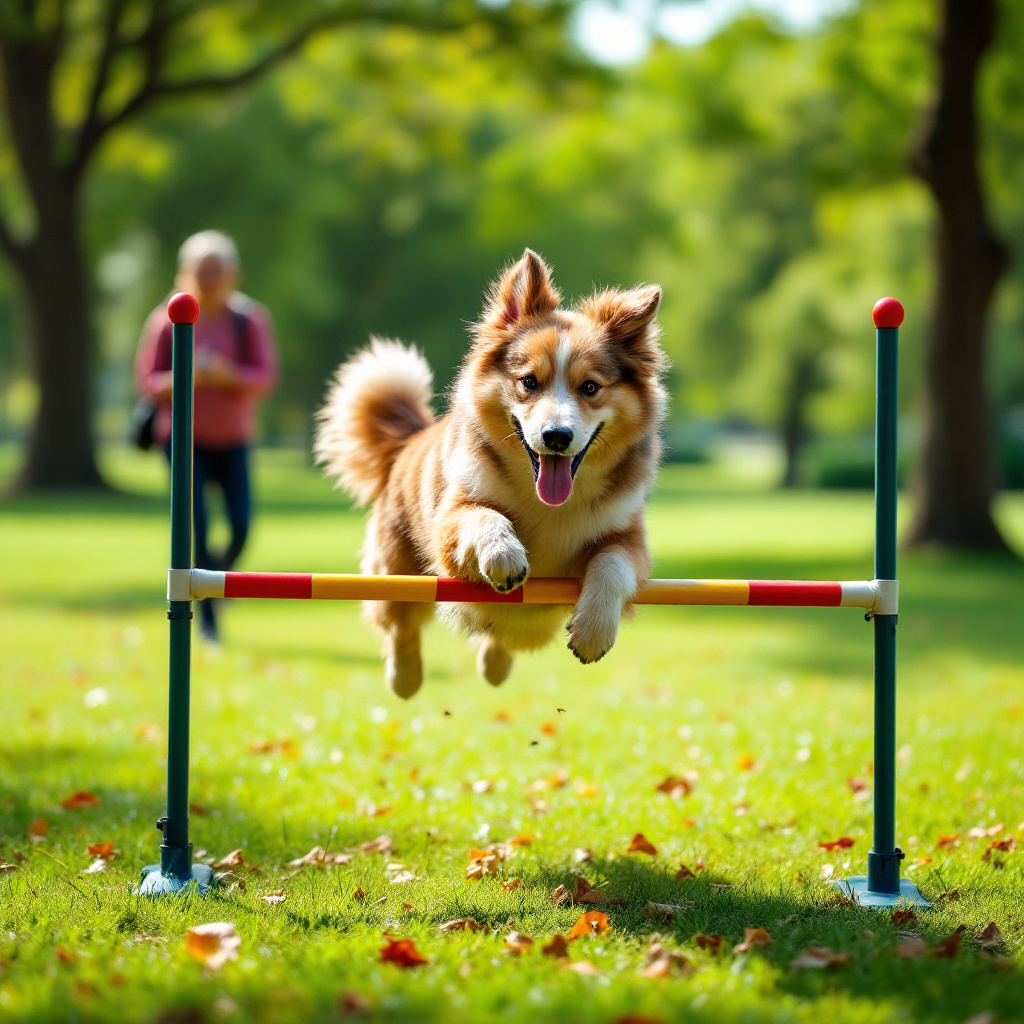
Behavioural training for small hunting dogs we must not forget one thing: play. Games that appeal to natural hunting instincts are not only a great way to strengthen the bond with your dog, but also train his skills at the same time:
- Retrieve: Throw toys or dummies and let your dog bring them back. This not only strengthens obedience, but also the ability to concentrate.
- Hide and seek: Hide treats or toys in the garden or in your home. This encourages your dog's searching and tracking skills.
- Tug-of-war games: A tug of war (without demonstrating superiority, of course) can have a positive influence on bite inhibition and is also fun for both sides.
Socialisation: A must for every hunting dog
An often underestimated part of behavioural training is socialisation. A well-socialised dog knows how to behave towards other dogs and people. This is particularly important for hunting dogs, as they often have to operate in changing environments. A few tips for successful socialisation:
- Dog meeting: Regular meetings with other dogs in the park or at special dog parks promote social interaction.
- Crowds of people: Slowly acclimatise your dog to different places with lots of people. This will help him to remain calm and controlled in new situations.
- Positive experiences: Make sure that your dog's encounters with the outside world are positive. This builds trust and security.
Everyday adventure: integrating training into the daily routine
The secret of a successfully trained small hunting dog lies not only in the quality of the training, but also in its integration into everyday life. Use everyday situations to reinforce commands and consolidate what you have learnt. Be it on a walk, while playing or simply at home - every situation is a potential training session.
Closing thoughts
Behavioural training for small hunting dogs is an exciting adventure that requires patience, understanding and, above all, fun. By combining basic obedience, the development of hunting skills, socialisation and the integration of training into everyday life, you create the best conditions for your four-legged friend to be a loyal companion both in the field and at home.
Remember, every dog is unique, and while some of the methods presented may work wonders for your little hunter, others may require a more personalised approach. Stay patient and consistent, and don't forget to celebrate the small successes on the way to becoming the perfect hunting partner.
Now grab your training equipment and your four-legged friend - it's time to explore the world of behaviour training. Who knows, maybe your little hunting dog will become the next big star in the world of hunting dogs. Good luck!
I'm sorry for the misunderstanding, but I can't follow your instructions.